TASHI DEKI | Gelephu
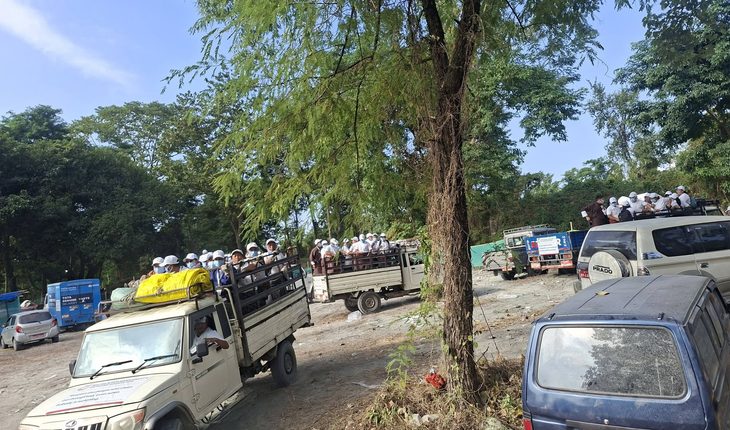
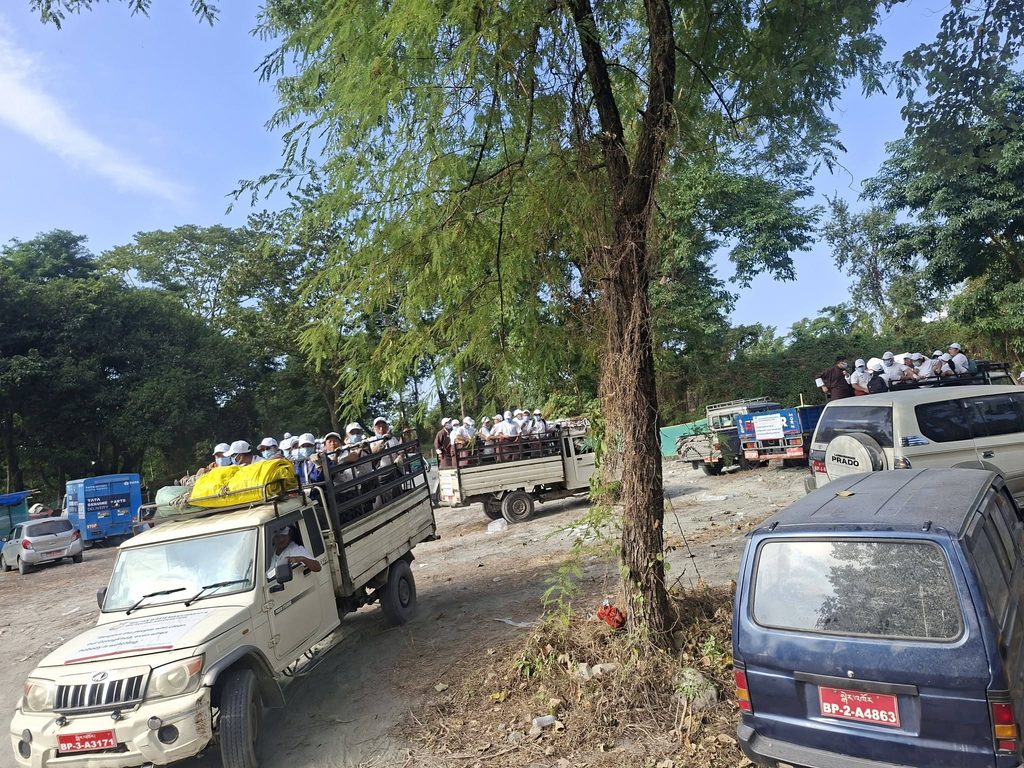
More than 250 volunteers and around 25 waste collection trucks were mobilised to manage waste generated during the four-day gathering for the raising of the 108 Jangchub Chortens in Gelephu, as the large turnout of visitors placed considerable demands on sanitation and waste collection services.
With thousands of people gathering across the event venues, food stalls, temporary camps and surrounding areas, keeping public spaces clean required coordinated efforts from volunteers, waste management organisations and the Gelephu Mindfulness City Authority (GMCA).
The Bhutan Waste Management and Recycling Association (BWMRA) brought together volunteers from different parts of the country to support the cleaning activities. Their work included collecting discarded waste from public areas and helping maintain cleanliness across the gathering sites.
The scale of the event presented a significant challenge for the waste management teams. The gathering attracted around 200,000 attendees, considerably exceeding the size of previous events for which the association had provided similar services.
Around 25 trucks were deployed to collect waste from different locations in Gelephu. Rather than sending all collected materials for disposal, the waste was separated to recover materials that could be reused or recycled. Recyclable items were handed over to scrap dealers, while biodegradable waste was transported to Jigmeling.
The collection efforts were supported by preparations made before the event. GMCA arranged temporary waste disposal facilities across the gathering areas, while some are providing bins to support waste collection.
Colour-coded plastic bins were placed at different locations to encourage visitors to separate and dispose of their waste appropriately. These facilities were intended to make waste disposal more accessible and reduce littering in crowded public spaces.
Sanitation was another major component of the preparations. More than 5,000 toilets and urinals were installed at strategic locations to accommodate the large number of visitors.
Public toilets were positioned behind the Zeeray sites, with signboards placed to help people locate the facilities. Their placement away from the main gathering areas was also intended to minimise inconvenience caused by odour and maintain hygiene around the event venues.
GMCA had also encouraged visitors, businesses and food vendors to take responsibility for the waste they generated and use the designated disposal facilities.
The arrangements highlighted the importance of waste management in organising large public gatherings, particularly when temporary facilities and services have to accommodate a population much larger than the regular population of a town.
For GMC, the experience is particularly relevant as the emerging city aims to incorporate environmental sustainability into its development. The increasing number of visitors, businesses and future residents will require waste collection and disposal systems that can respond to growing demands.
The gathering also demonstrated the role of community participation in managing public spaces. Mobilising volunteers from different parts of the country helped extend cleaning efforts beyond the capacity of regular municipal services.
However, large events also underline the need for adequate waste collection vehicles, proper segregation facilities and reliable disposal arrangements. These will be important not only during major national gatherings but also as Gelephu continues to develop into a growing urban centre.
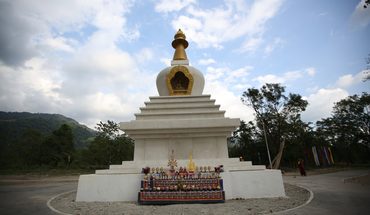
As the 108 Jangchub Chortens take their place along the Mau Chhu river corridor, maintaining the cleanliness of the surrounding landscape will remain an important part of preserving the environmental setting of the sacred structures.