RENUKA RAI | Thimphu
Bhutan’s private sector could receive new opportunities for international investment following an agreement that allows the OPEC Fund for International Development to finance local businesses, provide loan guarantees and acquire ownership shares in companies established in the country.
The agreement, signed between the Royal Government of Bhutan and the OPEC Fund on June 24, 2026, establishes the legal framework for the Fund to participate in Bhutan’s private sector.
However, provisions concerning foreign currency transfers, tax exemptions, investment protection and international arbitration have drawn questions from members of the National Assembly (NA).
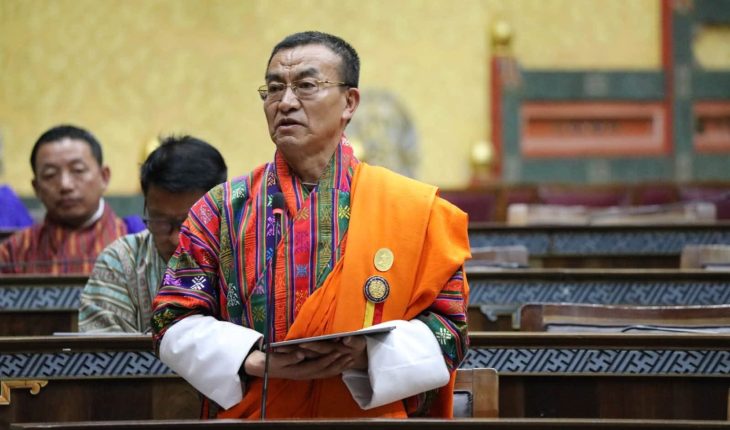
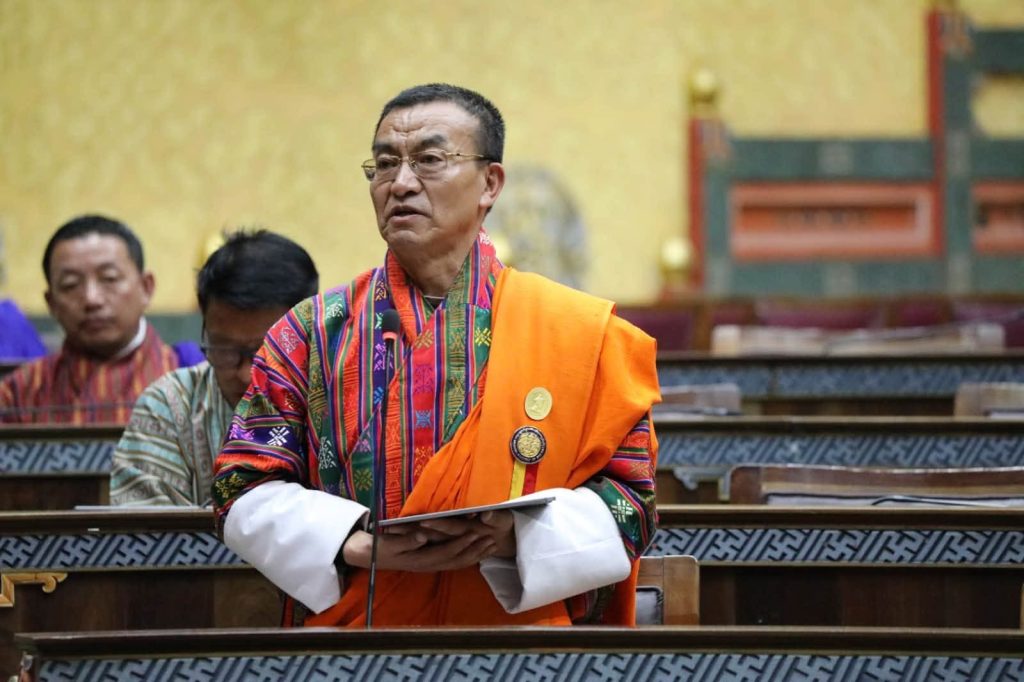
During the parliamentary discussion, Loday Tsheten, Member of Parliament for Gangzur-Minjey, questioned how the agreement would affect Bhutan’s financial security, particularly if the country faced difficulties maintaining adequate foreign currency reserves.
He also sought clarification on the security arrangements and whether disputes arising from investments could be settled within Bhutan.
Finance Minister Lekey Dorji said the agreement was based on an international framework and that certain provisions were standard requirements that could not be negotiated.
On taxation, the Minister clarified that income generated within Bhutan would remain subject to the country’s taxation laws, while payments and revenues associated with the Fund’s operations under the agreement would receive specified exemptions.
Addressing concerns about the country’s security, he said social, political and environmental considerations had been covered under the agreement.
He also explained that the arbitration provisions followed international standards for recognising and enforcing foreign arbitral awards.
Under Article II, the OPEC Fund is authorised to support investment projects through loans and guarantees. It can also acquire shares in companies established in Bhutan and borrow money in accordance with Bhutanese laws and regulations.
The agreement further allows the Fund to hold, use and dispose of funds and operate accounts in different currencies. This provides the institution with the flexibility to participate in businesses through both debt financing and equity investment.
However, the agreement does not mean that every business seeking financial support will automatically receive funding.
The Fund will assess proposed projects and decide whether they qualify for financing. It will also determine the conditions and terms attached to each investment.
The Government will have an opportunity to examine proposed investments before financing is approved.
The Fund is required to submit a written project proposal to the Ministry of Finance before each financing arrangement. If the Government raises an objection, the Fund cannot proceed with that proposal.
The agreement also provides tax exemptions for the Fund’s activities. Under Article III, interest and other payments owed to the institution, along with its assets and revenues connected to activities covered by the agreement, are exempted from specified taxes.
However, these exemptions do not apply to personal income tax or other personal tax obligations of Bhutanese citizens and residents employed by the Fund.
Another important provision concerns the movement of foreign currency. Under Article IV, Bhutan must facilitate the conversion of ngultrum into fully convertible currencies for beneficiaries to meet their financial obligations to the Fund.
The conversion will be made at the prevailing market exchange rate determined by the Royal Monetary Authority. Bhutan must also ensure that the converted funds can be transferred outside the country freely, immediately and effectively.
The Fund will similarly have the right to convert payments received in ngultrum into fully convertible currencies and transfer them abroad or use them within Bhutan.
These arrangements have raised questions about the country’s ability to fulfil its foreign currency obligations, particularly if businesses receiving financing face difficulties in repaying their loans.
Rinchen Wangdi, Member of Parliament for Bartsham-Shongphu, raised concerns about the potential consequences for the Government if a private company receiving a loan from the Fund failed to repay it.
Investment protection is addressed under Article V. The provision requires Bhutan, within its powers and authority, to treat projects and contracts financed by the Fund without discrimination and no less favourably than comparable projects supported by other international financial institutions.
It also requires the country to provide full and constant protection and security against expropriation and strife, to the extent necessary to maintain a project’s ability to generate income and service its debt.
The agreement outlines a separate process for resolving disagreements between Bhutan and the Fund. Under Article X, both parties must first attempt to settle disputes through amicable discussions.
If the parties fail to reach an agreement within 60 days after notification of a dispute, the matter will be referred to binding arbitration under the Permanent Court of Arbitration Rules for Voluntary Arbitration between International Organisations and States.
The arbitration proceedings will be held in The Hague, Netherlands, with three arbitrators and English as the language of proceedings.
Article VIII also covers disputes involving the Fund, beneficiaries and third parties. It provides for the recognition and enforcement in Bhutan of final decisions made by competent courts or arbitration tribunals, subject to applicable international treaties and Bhutanese laws and procedures.
The agreement was signed by Finance Minister Lekey Dorji and OPEC Fund President Dr Abdulhamid Alkhalifa. It establishes the legal basis for the Fund’s private-sector operations in Bhutan but does not commit a specific amount of financing.
Neither does it identify particular companies, projects or economic sectors that will receive funding. Each proposed investment will be considered separately, with financing decisions and conditions determined through the Fund’s assessment process.
The agreement will enter into force after the OPEC Fund receives a certified copy of Bhutan’s instrument of ratification or another instrument mutually agreed upon by both parties, together with an acceptable legal opinion confirming its legal force.
While the framework creates another potential source of international capital for Bhutanese businesses, the actual benefits will depend on the projects approved, the financing arrangements and the country’s ability to meet the obligations set out in the agreement.