DAWA ZANGMO | Thimphu
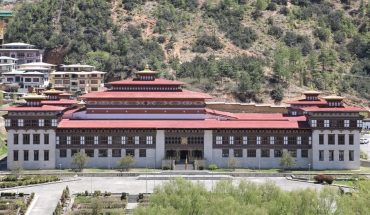
The National Assembly has referred the Mines and Minerals Bill 2026 to the Environment and Climate Change Committee for further review after members unanimously supported deliberations on the proposed legislation.
The Bill was presented to the House and completed its first and second readings before the Speaker assigned it to the committee for detailed examination. The committee is expected to submit its review report in the next session, before the legislation is taken up for its third reading.
The proposed law is intended to replace the Mines and Minerals Management Act of 1995, which has governed the country’s mining sector for the past 31 years. The new legislation seeks to update the existing legal framework and introduce stronger measures for managing and regulating Bhutan’s mineral resources.
It aims to improve transparency and accountability in the sector while encouraging responsible mining practices that take into consideration environmental protection and social responsibilities.
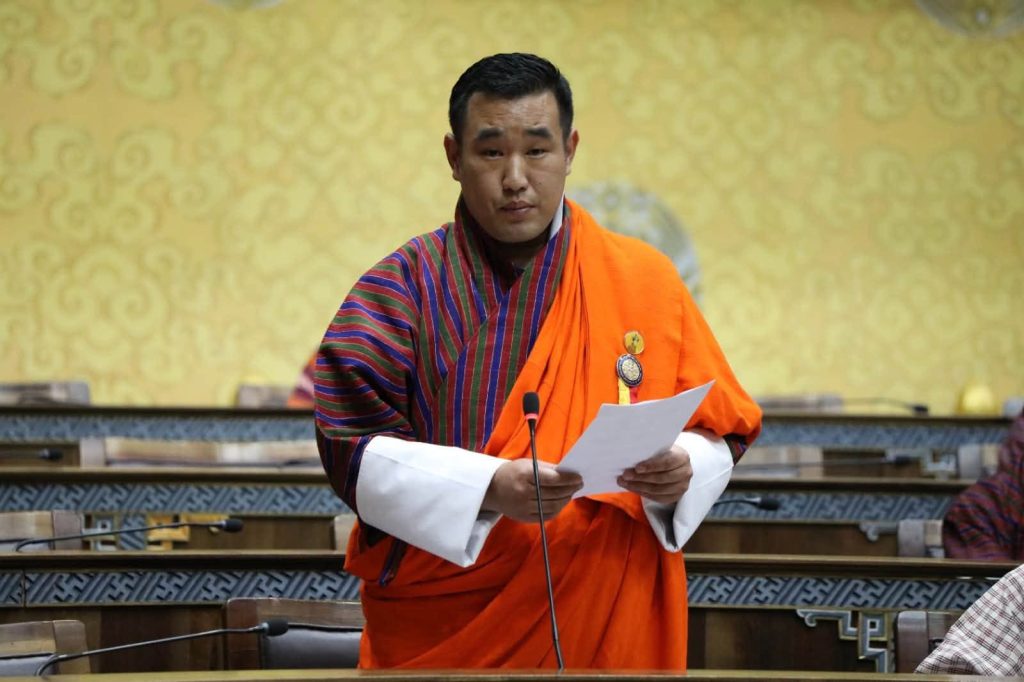
Presenting the Bill, Energy and Natural Resources Minister Sonam Tashi said the proposed law would establish a stronger and more comprehensive framework for governing the mines and minerals sector.
He said the legislation would facilitate responsible investment, safeguard the environment and ensure that the benefits derived from mineral resources are shared fairly.
The minister informed the House that the Bill contains 15 chapters and 156 sections. Its preparation involved consultations with relevant agencies to incorporate provisions addressing different aspects of the mining industry.
A significant feature of the proposed legislation is the identification and categorisation of strategic minerals. The Bill is expected to establish an explicit list of minerals designated as strategic to provide clarity on their classification and the authorities or entities permitted to mine them.
This provision is intended to eliminate uncertainties surrounding the management and extraction of strategic minerals by clearly identifying which resources fall under this category.
The legislation also outlines provisions governing mineral exploration, mining operations and quarrying activities. Other areas covered include environmental risk assessment and management, public participation and community engagement, and revenue collection.
These provisions are aimed at strengthening oversight of mining activities and ensuring that the development and extraction of mineral resources are guided by appropriate regulatory requirements.
National Assembly Member Pema Drukpa of Khamaed-Lunana constituency in Gasa said updating the legislation was important because the existing Act had not undergone changes for 31 years.
He said the long-standing law needed to be reviewed to address the requirements of the evolving mines and minerals sector.
An amendment to the existing Act was previously submitted to the National Assembly in 2020, but the proposed changes could not be put into effect.
MP Pema Drukpa said the passage of the revised Bill is expected to bring benefits to people throughout the country, including communities in all 20 dzongkhags and 205 gewogs, by improving the management and development of the mineral resources sector.
The proposed legislation places emphasis on strengthening the overall governance of mineral resources, with provisions intended to guide exploration, extraction and the regulation of mining activities.
It also seeks to establish clearer responsibilities and procedures for mining and quarrying while addressing the environmental and social considerations associated with such activities.
Through provisions on community engagement, the Bill recognises the importance of involving communities in matters related to mining activities. Similarly, its environmental risk management provisions are intended to ensure that potential environmental impacts are considered in the management and operation of mining projects.
The inclusion of revenue collection provisions is another component of the proposed framework, alongside measures to regulate mineral exploration and extraction.
Once enacted, the legislation is expected to provide an updated legal basis for managing the country’s mineral resources, replacing the framework established under the 1995 Act.
With the completion of the first and second readings, the Bill will now undergo further scrutiny by the Environment and Climate Change Committee. The committee will examine its provisions and submit its findings to the National Assembly in the next session.
Following the committee’s review and presentation of its recommendations, the Bill will be considered for its third reading before the House.