RENUKA RAI | Chhukha
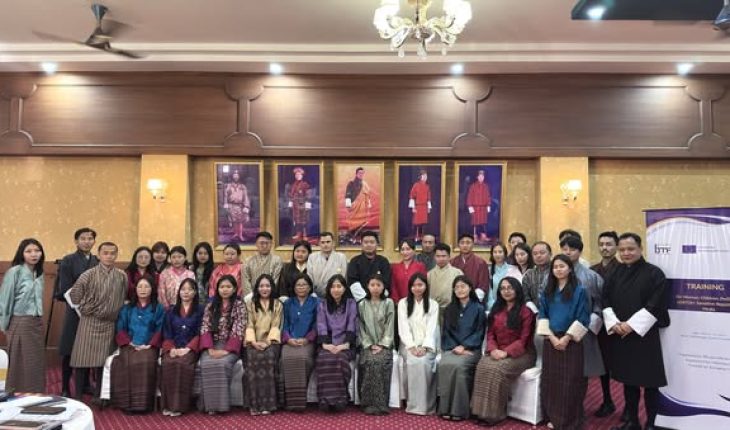
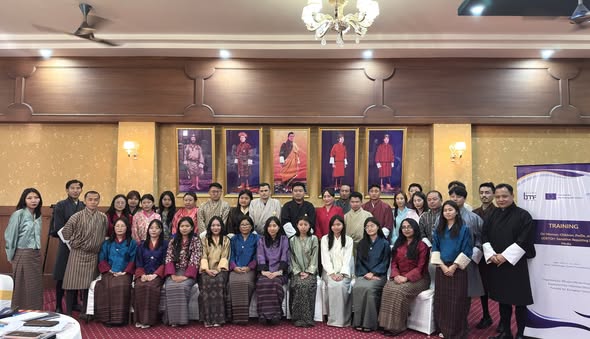
A three-day intensive media workshop held in Phuentsholing brought together young journalists, media practitioners, and youth participants to strengthen ethical reporting, promote inclusive storytelling, and deepen understanding of sensitive issues involving children, women, persons with disabilities, and LGBTQI+ communities.
The workshop, supported by the Bhutan Media Foundation in collaboration with stakeholders including the National Commission for Women and Children, focused on responsible journalism practices in line with legal and ethical frameworks.
Participants said the training shifted their understanding of journalism from simply reporting stories quickly to ensuring dignity, privacy, and accountability in how stories are told and shared.
Held from May 11 to May 13, the sessions covered gender and child rights reporting, ethical interviewing of vulnerable groups, disability inclusion in media, and LGBTQI+ sensitivity in storytelling. Facilitators included experienced media professionals who guided participants through case studies, discussions, and practical exercises.
One of the participants, 18-year-old Enchu Dema, a graduate of Motithang Higher Secondary School and member of the youth group YUMRA, said the workshop changed her understanding of journalism ethics.
“The biggest thing I realized is that having good intentions isn’t enough,” she said. “Earlier, I thought helping meant publishing stories quickly to get justice. But I learned that sensitive reporting, especially involving children or survivors, requires strict adherence to legal frameworks like NCWC guidelines.”
She emphasized that ethical journalism prioritizes safety over visibility. “My first duty isn’t to get likes or shares, but to ensure the safety and privacy of the person I’m writing about,” she said. Enchu also highlighted the concept of “jigsaw identification,” where individuals can be identified even without being named if too many contextual details are revealed.
Unlike traditional lecture-based training, participants engaged in rewriting headlines, analyzing case studies, and reviewing real-world examples of ethical and unethical reporting. Enchu described the experience as “intense but eye-opening,” noting that it helped her recognize blind spots in reporting, especially regarding disability and LGBTQI+ communities. “It made me realize how many blind spots I had in how we talk about marginalized groups,” she said, adding that interacting with experienced journalists helped her understand local media challenges in Bhutan.
The workshop focused strongly on media ethics, including accuracy, fairness, accountability, and the principle of “do no harm” journalism. Sessions also addressed informed consent, confidentiality, and the risks of re-traumatization when interviewing vulnerable groups such as women, children, persons with disabilities, and LGBTQI+ individuals.
A key learning area was inclusive language and representation, where participants explored how wording can either reinforce stigma or promote dignity.
Enchu said she learned the importance of person-first and identity-first language. “Language is not just technical it directly affects dignity and respect,” she said. One of the most impactful sessions for her was on LGBTQI+ sensitivity led by Regitta Gurung. “It changed how I see so-called ‘controversial topics.’ These are not controversies they are people lived realities,” she said.
Journalists attending the workshop also shared their experiences. Susana Gajmer from the Bhutan Broadcasting Service said the training reinforced ethical responsibility in reporting. “This workshop was truly informative from understanding key terms to learning mindful reporting practices,” she said. “It reminded us of our responsibilities as journalists to use respectful and accurate language for all communities.”
Tshering Penjor from Bhutan Today said the workshop helped him better understand sensitive reporting, especially in conducting interviews and handling delicate issues. “As someone new to the field, I learned how important it is to approach interviews carefully and responsibly,” he said.
Across all sessions, facilitators emphasized that journalism plays a crucial role not only in informing the public but also in shaping perceptions, influencing policy, and protecting human dignity.
The workshop concluded with participants agreeing that ethical journalism requires continuous learning, sensitivity, and responsibility especially in a digital age were information spreads rapidly and widely.