KINLEY KHANDU CHODEN | Thimphu
Concerns over fuel pricing transparency and the pricing mechanism used for fuel imports from Indian Oil Marketing Companies (OMCs) were raised in the ongoing National Assembly during the question hour session on 14 May.
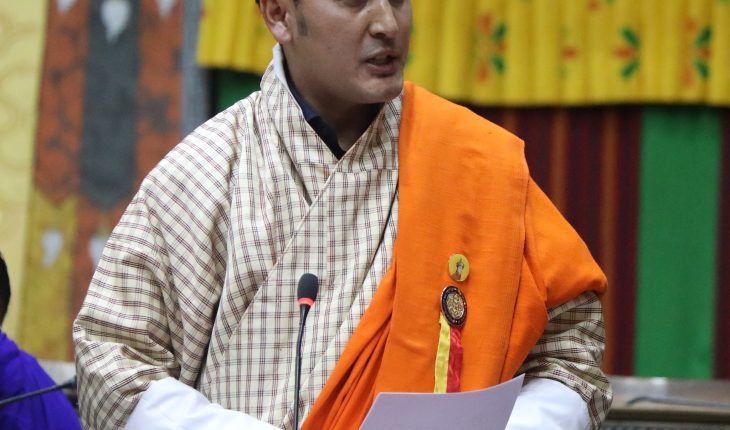
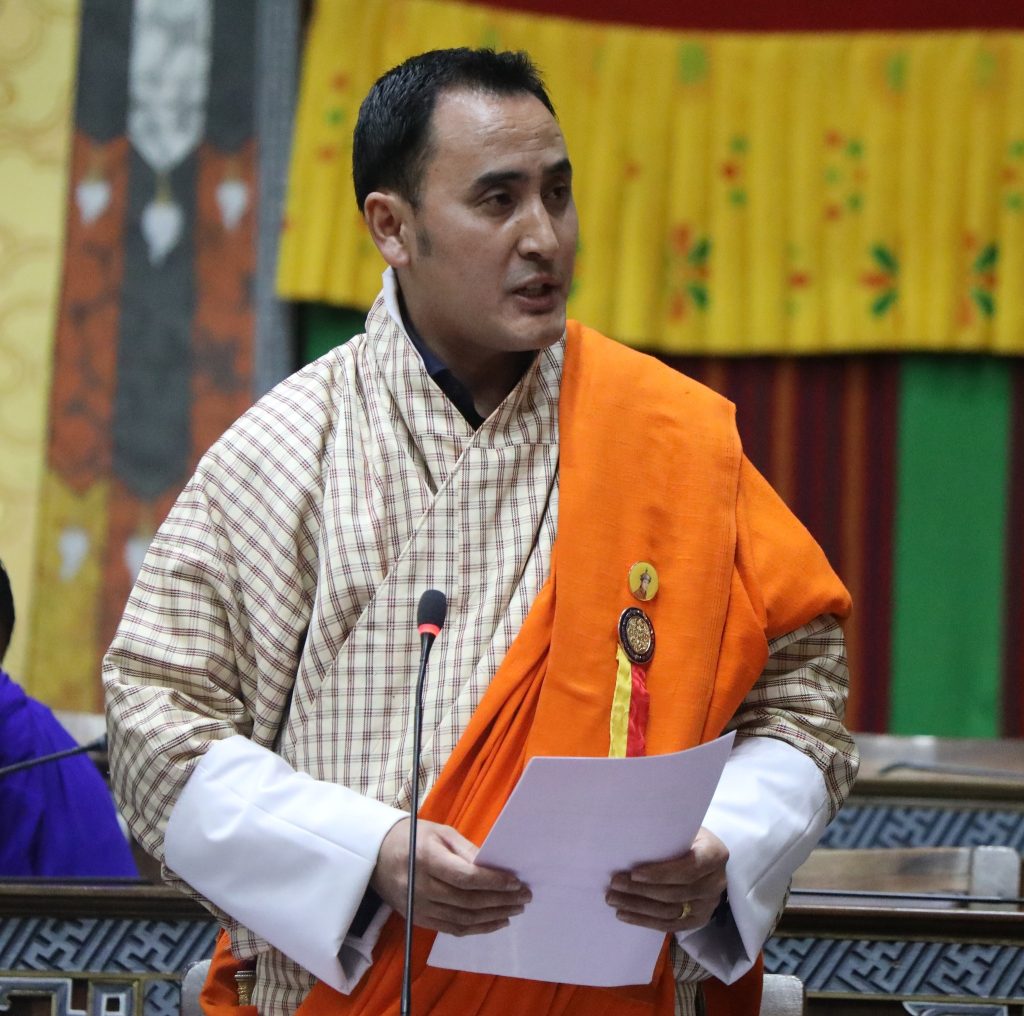
The Member of Parliament from Gangzur-Menji, Loday Tsheten, said recurring public concerns have emerged over the years regarding the lack of transparency in the pricing system used for fuel imports from Indian OMCs, also referred to as Public Sector Undertakings (PSUs).
The MP said that although Bhutan benefits from exemptions on certain Indian taxes and duties, questions remain over how retail prices for petrol and diesel are ultimately calculated in the country.
He asked the government to disclose the full pricing structure used for imported fuel, including refinery transfer costs, freight and transportation charges, dealer commissions, taxes, exchange rate considerations, and other related fees or margins.
Referring to reports published in recent years, the MP said fuel prices in Bhutan saw notable reductions from 2023 onwards following negotiations with Indian OMCs. According to him, the reductions raised questions about the earlier pricing system, the margins applied, and the reasons behind the revisions.
He also questioned whether the government had carried out any independent review, audit, or verification of the pricing methods used by the OMCs, and asked what measures are being taken to ensure a more transparent and independently verifiable pricing mechanism in the future.
Responding to the concerns, Minister for Industry, Commerce and Employment Namgyal Dorji acknowledged that media reports had highlighted the issue.
The minister said the government has been monitoring fuel pricing trends, especially during periods of sharp price increases, and has sought clarifications from oil companies regarding invoice structures and cost components.
He added that discussions were also held with the Government of India on export duties and pricing arrangements related to Bhutan’s fuel imports.
At the domestic level, the government continues to monitor pricing structures, dealer margins, transportation costs, and other distribution-related charges within Bhutan.
However, Lyonpo said detailed commercial pricing structures and internal profit margins of Indian OMCs are considered commercially sensitive and may not be fully disclosed publicly.
He also expressed appreciation for India’s continued support in ensuring uninterrupted supplies of fuel and LPG to Bhutan, including exemptions on export duties for fuel exports to Bhutan.
According to the minister, this cooperation has helped strengthen Bhutan’s energy security and reduce the financial burden of fuel imports.
He said the government would continue engaging with Indian authorities and Public Sector Undertakings to improve transparency, coordination, and predictability in fuel pricing and supply arrangements through diplomatic and official channels when necessary.
The minister noted that recent increases in fuel prices are largely linked to global market disruptions and supply uncertainties caused by international conflicts.
He also highlighted the recently introduced National Fuel Price Smoothing Framework, which is intended to protect consumers and the domestic economy from sudden fuel price shocks caused by global market volatility.
On domestic pricing, Lyonpo explained that Bhutan imports all its fuel from India through Indian Oil Public Sector Undertakings, and retail prices are revised every two weeks based on invoices received from the principal oil companies.
Once the invoices are received, the Department of Trade determines retail fuel prices according to the approved pricing structure.
The minister said the domestic pricing structure has remained unchanged since 2023, meaning recent price fluctuations were mainly driven by changes in the invoices issued by oil companies, which are influenced by global petroleum prices and supply chain costs.
He explained that Bhutan’s fuel pricing structure currently includes invoice value, a 5 percent excise tax, 5 percent GST, an import fee of Nu 0.25 per litre, transportation charges, depot surcharge, transit losses, and dealer margins.
Dealer margins currently stand at Nu 2.5 per litre for petrol and Nu 1.6 per litre for diesel, which were last revised in 2023. He added that dealer margins in India are approximately Rs 4 per litre for petrol and Rs 3 per litre for diesel.
The minister said Bhutan follows the internationally recognised Import Parity Price (IPP) system, where prices are based on the landed cost of refined petroleum products imported into the country.
He explained that fuel prices are influenced not only by crude oil prices but also by freight, insurance, inland transportation, distribution expenses, and supplier margins.
The government has repeatedly sought clarification on invoice components, particularly during periods of sharp price increases. It also consulted the Government of India to confirm whether export duties were imposed on fuel exported to Bhutan. India reportedly clarified that no such export duties apply.
While certain commercial details remain confidential, the government continues to oversee domestic distribution costs and dealer margins within Bhutan.
The minister also said that fuel supply arrangements between Bhutan and India were upgraded to a government-to-government framework in 2024 through a Memorandum of Understanding on the supply of petroleum products.
The MoU, signed on 21 March 2024, will remain valid until March 2027 and is expected to strengthen coordination, supply predictability, and energy security cooperation between the two countries.
Earlier reports had pointed out that recent fuel price increases were not only driven by crude oil costs and OMC margins, but also because Bhutan’s pricing benchmark is linked to high sulphur Arab Gulf Gasoil for diesel and 2 RON Singapore Gasoline for petrol, both of which are refined product benchmarks rather than crude oil benchmarks.
The government has reportedly spent over Nu 1 billion from the Economic Stimulus Programme (ESP) on fuel-related support, with another Nu 1.5 billion allocated.
Meanwhile, the Nepal Oil Corporation is also reportedly planning to seek clarification from Indian counterparts regarding fuel prices and pricing breakdowns.
Despite continued government engagement on the issue, Indian OMCs have reportedly not provided Bhutan with a detailed breakdown of fuel pricing over the past four years.