DAWA ZANGMO | Thimphu
The Horticulture Association of Bhutan (HAB) has partnered with Planethos Pvt. Limited to introduce high-efficiency electric cookstoves to households across Bhutan, in an effort to promote cleaner energy use and improve public health outcomes.
The initiative is supported by the Royal Government of Bhutan and the Government of Singapore and aims to reduce indoor air pollution, lower greenhouse gas emissions, and strengthen sustainable livelihoods.
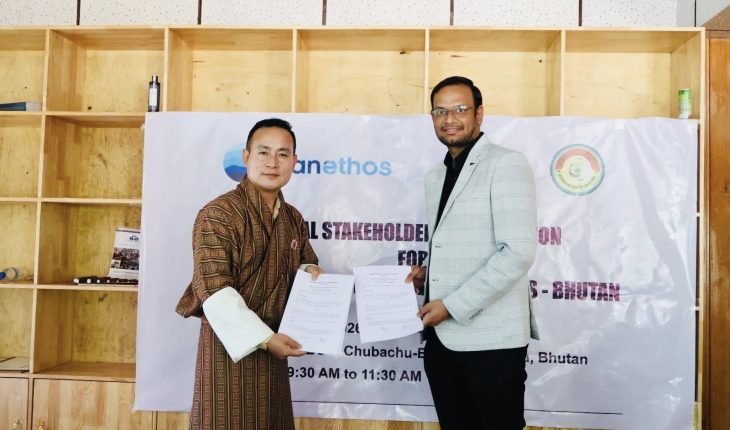
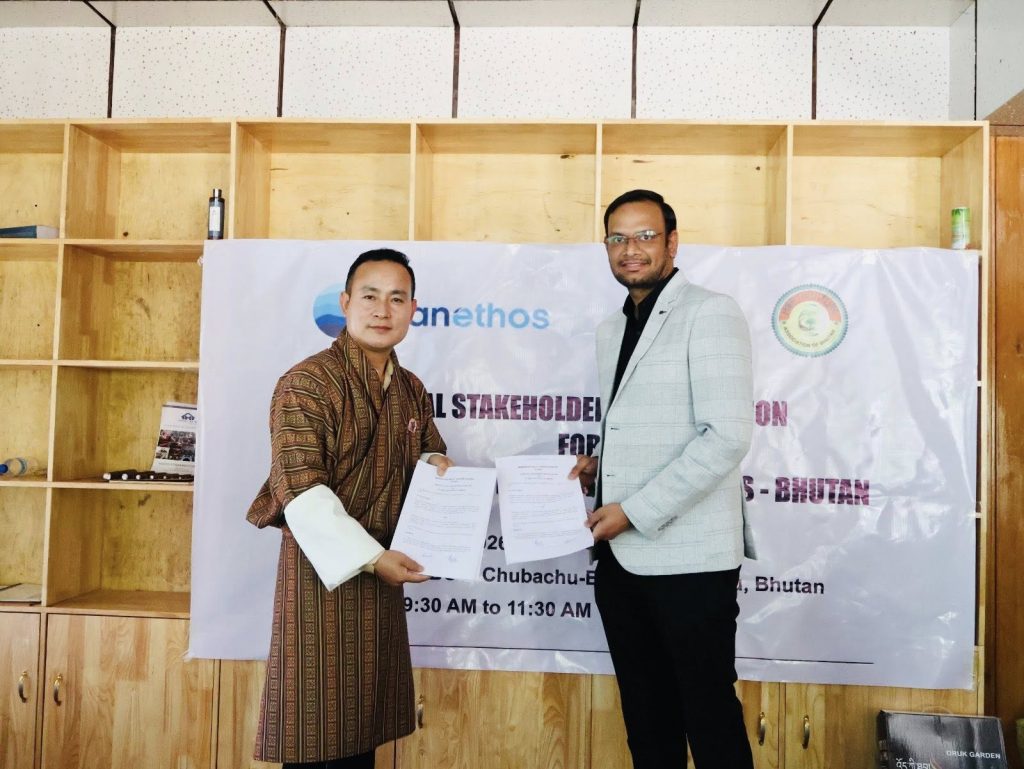
A local stakeholder consultation on the Clean Cooking Project was held on 19 May 2026 in Thimphu, bringing together relevant stakeholders to discuss the implementation and expansion of clean cooking solutions in the country. During the event, the HAB and Planethos signed a Memorandum of Understanding (MoU) to formalize cooperation under the project.
Under the agreement, affordable, community-driven induction cookstoves will be distributed across rural and semi-urban communities. The initiative is designed to reduce dependence on traditional biomass fuels, which remain widely used in households, and support a shift toward low-emission electric cooking technologies.
Tashi Gyeltshen, Executive Director of HAB noted that this transition is expected to contribute to improved environmental protection, better public health outcomes, and progress in Bhutan’s energy transition goals.
Discussions during the consultation, he highlighted both the benefits and challenges of clean cooking adoption. He emphasized potential gains in reducing deforestation, improving indoor air quality, and supporting national climate commitments. At the same time, concerns were raised regarding affordability and the readiness of infrastructure required to support large-scale deployment of electric cooking systems.
Through the programme, cook stoves will be made available at subsidized rates, with the intention of prioritizing community welfare over commercial considerations. The transition from biomass-based cooking to electric cookstoves is also expected to reduce the burden of fuel collection, particularly for women and children, while contributing to the conservation of Bhutan’s forest resources.
The initiative includes a carbon finance component through participation in carbon credit mechanisms. By reducing emissions at the household level, the project aims to generate verified carbon credits that can benefit participating communities. This structure aligns with Bhutan’s broader environmental objectives and its commitment to maintaining carbon-negative status.
Co-founder of Planethos.org, Kanishk Porwal, said the initiative could reduce approximately 1.2 tonnes of carbon emissions per household annually, contributing to Bhutan’s climate mitigation efforts.
He noted that widespread adoption of clean cook stoves at the household level would play a significant role in emissions reduction and support Bhutan’s continued efforts to sustain its carbon-negative status.
The project is aligned with Bhutan’s Carbon Market Framework 2025 and international cooperation mechanisms under Article 6.2 of the Paris Agreement, which enables countries to trade verified emissions reductions while ensuring environmental integrity. Under this framework, emissions reductions generated by the project may be verified and integrated into international carbon markets.
Co-founder of Planethos.org, Kanishk Porwal stated that its leadership team has over 15 years of experience in international carbon markets and has overseen the distribution of more than two million improved cookstoves across six countries. This experience is expected to support large-scale implementation and monitoring of the initiative in Bhutan.
For the HAB, which works closely with farmers and cooperatives across all 20 dzongkhags, the initiative presents an opportunity to combine environmental sustainability with community empowerment. The association is expected to support training, facilitate adoption, and ensure last-mile implementation.
A grievance redress mechanism has been established to address concerns or feedback from participating households during implementation, ensuring transparency and accountability throughout the project cycle.
Kanishk Porwal described itself as a climate solutions company specializing in carbon finance, clean energy technologies, and sustainable development initiatives. It focuses on designing and implementing projects that reduce carbon emissions while delivering measurable benefits to local communities, particularly through carbon credit systems and clean cooking solutions.
The partnership is expected to contribute to Bhutan’s broader efforts to reduce reliance on biomass fuels, improve household energy efficiency, and expand access to clean cooking technologies. It also seeks to strengthen participation in global climate cooperation frameworks while supporting rural livelihoods through sustainable development approaches.
Through the subsidized distribution of clean cookstoves, the initiative aims to support communities that currently depend on firewood for cooking. In addition to improving health outcomes and reducing environmental pressure, the programme is expected to enable farmers and households to participate in carbon credit opportunities, linking climate action with potential livelihood benefits.