DAWA ZANGMO | Thimphu
The government is taking steps to strengthen its road safety framework as concerns grow that many motorists may be travelling on hazardous routes without fully understanding the risks involved.
Limited local expertise in road safety assessment has long been a challenge, but ongoing efforts aim to address this gap through international collaboration and capacity building.
One of the key initiatives supporting this effort is the International Road Assessment Programme (iRAP), a UK-based registered charity focused on reducing road-related deaths and injuries by identifying and improving high-risk road conditions worldwide.
Through its globally recognized assessment tools, iRAP works with governments and engineers to evaluate road safety and recommend practical interventions.
More than a decade ago, an iRAP assessment conducted in 2012 revealed that several stretches of east-west highway posed significant safety risks.
The study covered approximately 1,300 kilometres and found that most sections were rated between one and two stars. These ratings indicate a higher likelihood of severe or fatal crashes, as iRAP’s star system measures the level of risk faced by different categories of road users.
In a renewed push to improve road infrastructure and safety standards, the Asian Development Bank (ADB) recently organised a three-day workshop in Thimphu.
The programme focused on iRAP methodologies and road engineering practices, bringing together key stakeholders to enhance technical knowledge and build national capacity.
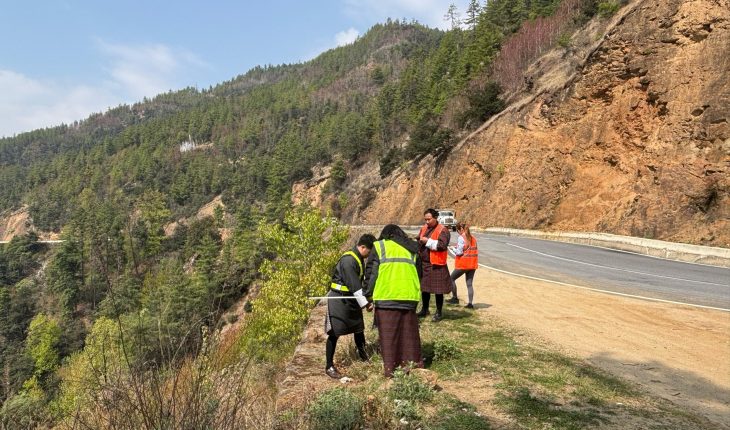
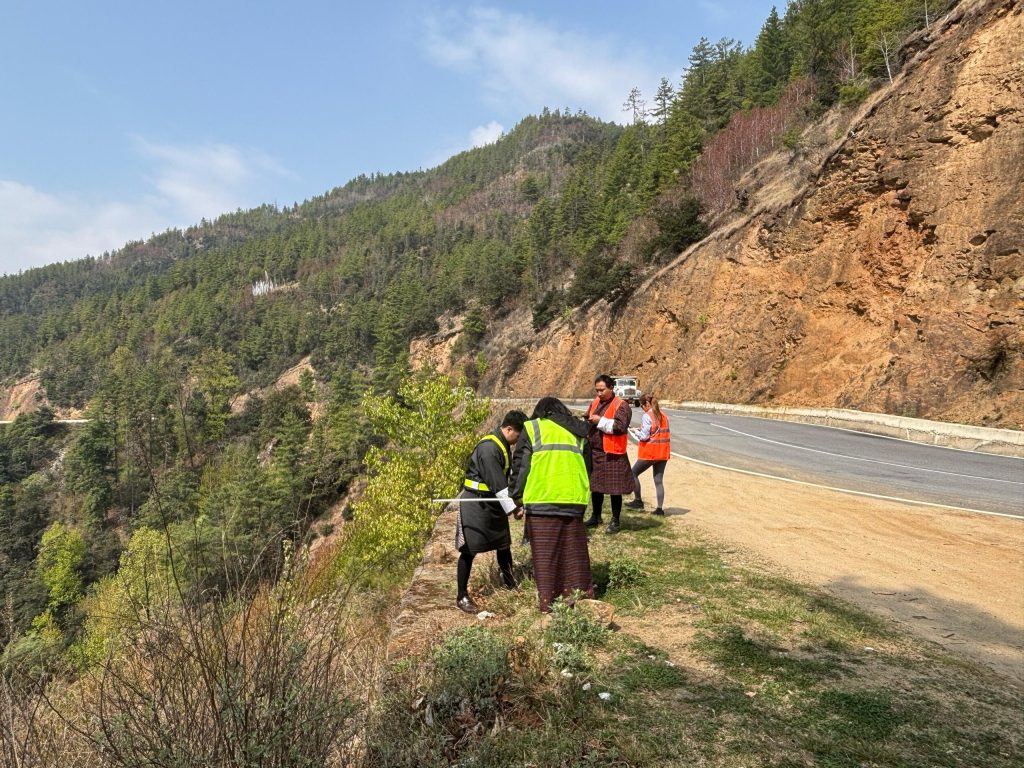
As part of the workshop activities, participants conducted practical assessments on selected road sections, including the stretch between Dochula and Hongtsho, as well as the Thimphu – Paro highway.
The findings from these evaluations are expected to be released in the near future and will determine whether these roads meet acceptable safety standards or require urgent improvements.
Luke Rogers, Senior Road Safety Engineer at iRAP, said, “The organisation collaborates with governments and infrastructure planners worldwide to enhance road safety. Our approach involves conducting risk assessments using star ratings to pinpoint dangerous sections and propose targeted solutions that can make roads safer for all users”.
The workshop also aimed to equip national agencies with the skills needed to adopt safer road practices and move towards achieving iRAP accreditation at the national level.
Officials believe that strengthening local expertise will enable Bhutan to independently assess and improve its road network over time.
Karma Norbu, an engineer with the Department of Surface Transport and a trainer at the workshop, highlighted the practical value of iRAP tools.
He noted that the system not only evaluates the safety level of roads but also suggests various treatment options for improvement.
Recommendations include cost estimates, allowing authorities to priorities interventions based on available resources.
He also emphasized that for a country with limited financial capacity, such tools are essential in identifying solutions that deliver the greatest overall benefit.
Meanwhile, ADB officials underscored a shift in focus among governments in recent years.
Sin Wai Chong, a transport specialist at ADB, observed that while infrastructure development has traditionally prioritised connectivity and efficient transport of goods and vehicles, there is now increasing emphasis on reducing road accidents and enhancing safety for all road users, both on highways and in urban areas.
Road safety experts at the workshop pointed out that speed remains a critical factor influencing the severity of accidents.
Priti Gautam, Senior Transport Specialist for Road Safety at ADB, said, “Higher speeds significantly increase the likelihood of serious injuries and fatalities. Managing speed through coordinated efforts such as enforcement by police, improved road design, and the introduction of designated speed control zones offers one of the most effective ways to reduce risks.”
She further highlighted that many fatal accidents in Bhutan occur on cliff-side roads, where the absence of adequate safety barriers increases the danger.
Given resource constraints, she stressed the importance of prioritising the installation of protective barriers in these high-risk areas to prevent vehicles from veering off steep edges.
In addition to infrastructure improvements, experts emphasised the need for stronger emergency response systems.
Priti Gautam noted that establishing a single, centralised emergency response mechanism would significantly enhance coordination and efficiency in handling road accidents, ultimately saving more lives.
Globally, iRAP has made substantial contributions to road safety by assessing over 1.9 million kilometres of roads and infrastructure designs.
Its work has supported international efforts to meet United Nations targets for safer roads and is credited with helping to prevent approximately 860,000 deaths and serious injuries between 2016 and 2025.
As Bhutan continues to expand and modernise its road network, initiatives like the iRAP programme are expected to play a crucial role.
By identifying high-risk areas and guiding strategic investments, these efforts aim to ensure that road development is not only about connectivity but also about safeguarding the lives of all road users.