Finance minister says electric vehicles retain significant tax advantages as Bhutan pushes 2035 adoption target
TIL BDR GHALLEY | Thimphu
Bhutan’s ambitious push to make electric vehicles account for 70% of new vehicle sales by 2035 faces an affordability challenge, with the government saying it will assess the market before considering additional incentives for private buyer.
Finance Minister Lyonpo Lekey Dorji during the meet the press on 7t August said electric vehicles continue to receive significant tax advantages over conventional vehicles despite becoming subject to Goods and Services Tax (GST) under the country’s recent tax reforms.
“Under the recent tax reform, EVs continue to enjoy a highly favourable tax regime,”minister said in response to questions on whether the government would reinstate previous tax exemptions or introduce additional incentives to reduce the cost of electric vehicles for private buyers.
Electric vehicles remain exempt from all vehicle-related taxes except GST, while conventional vehicles are generally subject to both GST and excise tax, he said.
The government’s position comes as Bhutan seeks to accelerate the transition to electric mobility and achieve its target of having around 70% of new vehicle sales be electric by 2035.
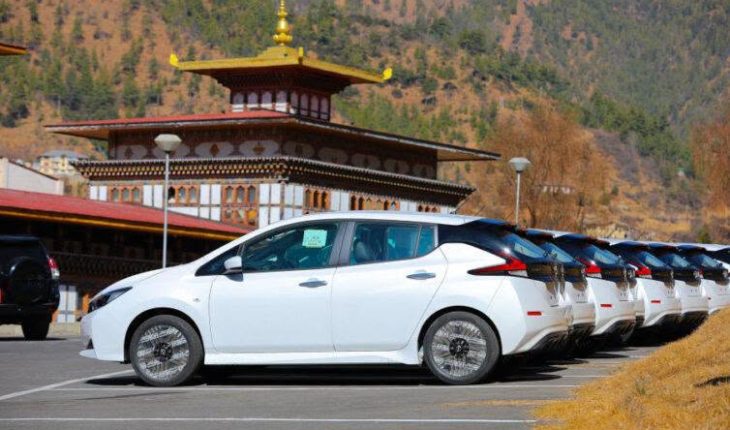
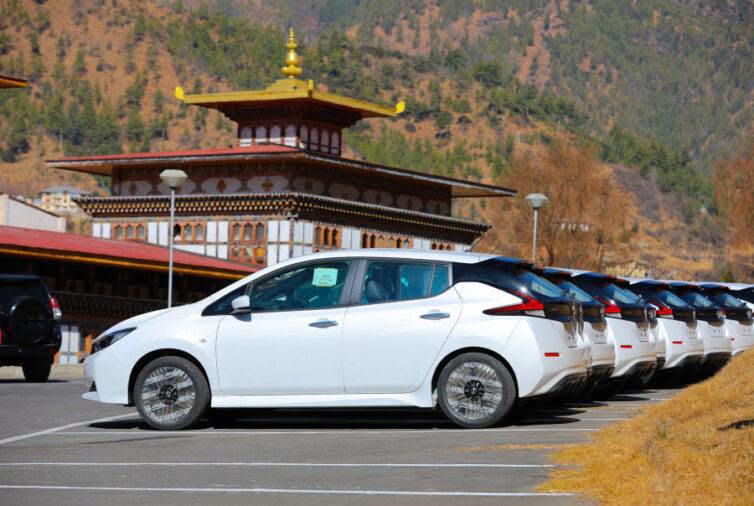
The government is implementing the “Accelerating E-Mobility Uptake in Bhutan” project to demonstrate the viability of electric transport, expand charging infrastructure and strengthen institutional capacity for wider EV adoption.
“The procurement of electric vehicles under the Accelerate E-Mobility Uptake in Bhutan project represents an important first step in demonstrating the viability of electric mobility while simultaneously expanding the supporting charging infrastructure and institutional capacity required for a broader transition,” the minister said.
As part of the initiative, the Department of Surface Transport signed a Nu 350.4 million contract in April with Switch Mobility Automotive Limited for 45 electric buses and related services. The buses are expected to be operational by the end of 2026.
The government is also developing a national EV strategy intended to provide a phased framework for electric vehicle adoption and address the economic and social dimensions of the transition.
But the high upfront cost of EVs remains a key concern for private consumers.
“The Government recognizes that the upfront purchase price remains one of the principal barriers to wider EV adoption,” Lyonpo Lekey Dorji said.
The minister said the government’s recent tax reforms had reduced taxes across most vehicle categories, but lower taxes had not necessarily resulted in equivalent reductions in retail vehicle prices.
Vehicle prices are determined by several factors beyond taxation, including manufacturer pricing, supply-chain and shipping costs, exchange rates and dealer margins, he said.
“Therefore, while tax policy can improve affordability, it alone cannot determine the market price of vehicles,” he said.
The government expects EV prices to become more competitive as battery technology improves, production expands and competition among manufacturers increases, according to the minister.
He also argued that the higher upfront cost of an electric vehicle needs to be considered against its operating and maintenance costs over the vehicle’s lifetime.
Petrol and diesel vehicles remain vulnerable to fluctuations in international fuel prices, while Bhutan’s electricity is domestically generated, he said.
“Electric vehicles, by contrast, offer greater insulation from such external shocks, particularly in Bhutan where electricity is domestically generated and comparatively stable,” Lyonpo Lekey Dorji said.
Lower operating and maintenance costs could help offset the higher purchase price of EVs over time, he said.
Bhutan has previously used financial incentives to encourage electric vehicle adoption. In 2022, the government introduced a programme to promote electric taxis, providing financing and subsidies to participating operators.
The current government initiative is also focused on expanding the infrastructure needed to support wider adoption.
The Ministry of Infrastructure and Transport has opened the development and operation of EV charging stations to private entities, with the government providing operational and maintenance support subject to performance requirements.
The expansion of charging infrastructure is intended to support the wider transition to electric transport as the government seeks to increase EV use beyond government and institutional fleets.
The government’s EV push is also linked to its broader climate and energy-security objectives, including reducing dependence on imported fossil fuels and making greater use of domestically generated electricity.
The finance minister said the government would continue to monitor the EV market, assess the outcomes of the current e-mobility initiative and consult relevant stakeholders before deciding whether additional measures were necessary.
“The Government will continue to monitor developments in the EV market, assess the outcomes of the ongoing e-mobility initiative, and engage with relevant stakeholders before considering any additional policy measures,” he said.
Any future intervention would have to balance improving affordability, protecting fiscal sustainability and ensuring public resources are directed towards measures that deliver the greatest impact, he said.