TASHI DEKI | Thimphu
Ministry of Health (MoH) is strengthening its efforts to prevent, detect and treat drug-resistant tuberculosis (DR-TB), with the health sector placing greater emphasis on early diagnosis, improved treatment, contact screening and community-based interventions.
The Health Minister, Lyonpo Tandin Wangchuk said MoH has adopted a comprehensive approach to tackling DR-TB, guided by the World Health Organization’s End TB Strategy, the Sustainable Development Goals and the country’s National Strategic Plan for TB.
The Minister said Bhutan’s TB case detection rate declined from 78 percent in 2017 to 63 percent in 2023. However, he clarified that the decline in the detection rate should not be interpreted as a decline in the success of TB treatment.
According to the Minister, the reduction in the case detection rate is mainly linked to a difference between the number of cases estimated by the WHO and the number of cases notified in the country.
Despite the gap in case detection, Bhutan continues to record a high treatment success rate among patients who are placed on treatment.
“Bhutan continues to maintain a high treatment success rate of more than 90 percent among patients who are put on treatment,” the Minister said.
The government is now placing greater emphasis on early diagnosis and case finding to close the gap between estimated TB cases and notified cases. Early detection is considered particularly important in preventing further transmission and ensuring that patients receive treatment before their condition worsens.
As part of this effort, Bhutan is using rapid molecular diagnostic technologies, including GeneXpert MTB/RIF, across the country. The system allows health workers to detect TB and identify rifampicin resistance at the time of diagnosis, helping clinicians identify patients who may require treatment for drug-resistant TB.
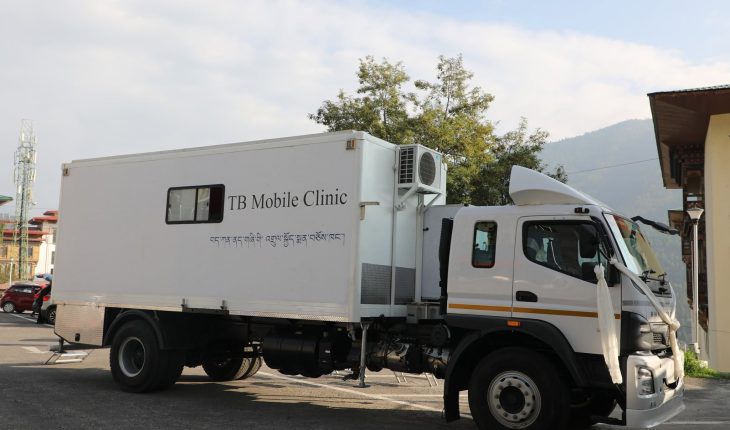
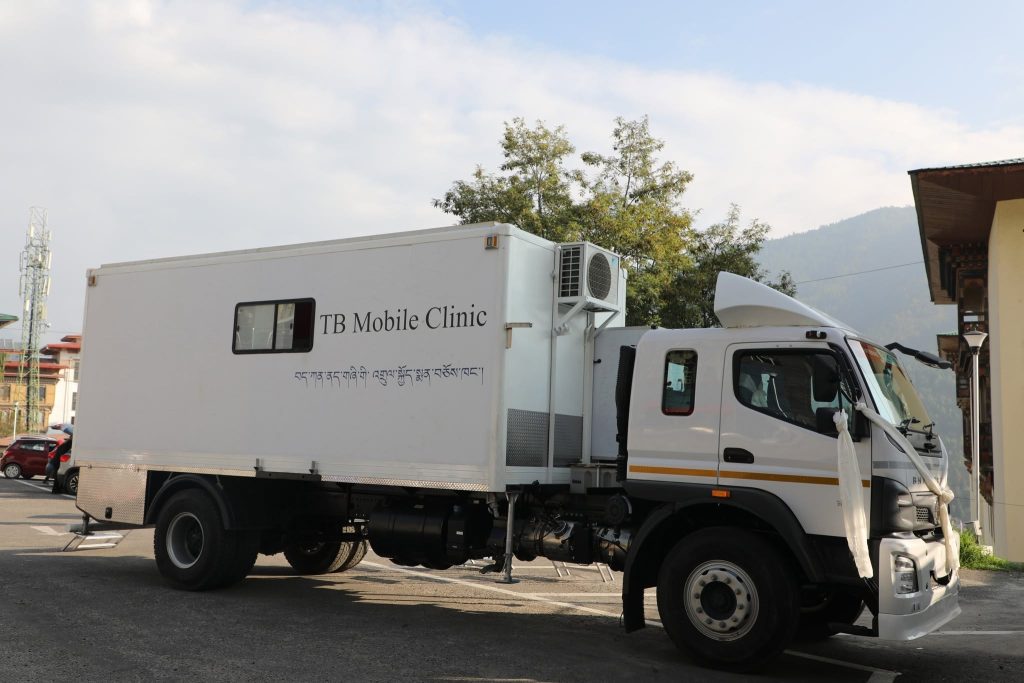
According to Phurpa Tenzin, Senior Program Officer of the National Tuberculosis Control Program, Bhutan currently has 18 GeneXpert sites and 21 GeneXpert machines, including a mobile unit.
The machines have been placed at strategic locations to improve access to rapid TB diagnosis and reduce delays in identifying patients with drug-resistant forms of the disease.
Phurpa Tenzin said Bhutan is also using computer-aided diagnostic systems equipped with artificial intelligence alongside digital X-rays. These technologies are being used to support the identification of TB cases and strengthen the country’s diagnostic capacity.
Another important component of DR-TB management is drug susceptibility testing. Drug susceptibility testing is available at the National TB Reference Laboratory at the Royal Centre for Disease Control in Serbithang, Thimphu.
Phurpa Tenzin said drug susceptibility testing is promoted for bacteriologically confirmed TB cases so that drug resistance can be identified at an early stage. Early identification of resistance allows patients to be placed on an appropriate treatment regimen and helps reduce the risk of ineffective treatment.
For patients diagnosed with drug-resistant TB, Bhutan provides free diagnosis, treatment and follow-up care through the National Tuberculosis Control Programme.
The treatment system has also undergone significant changes with the introduction of newer anti-TB medicines, including bedaquiline. For eligible DR-TB patients, Bhutan has adopted a six-month treatment regimen, reducing the duration compared with earlier treatment courses that could last between nine and 18 months.
The shorter treatment regimen is expected to make treatment more manageable for patients and reduce the burden associated with prolonged treatment.
Phurpa Tenzin said DR-TB care has also become more patient-centred, with greater emphasis on ambulatory care rather than prolonged hospitalisation.
Patients undergoing treatment continue to receive clinical monitoring, laboratory investigations, counselling and management of adverse drug reactions. This approach allows patients to receive necessary medical care while reducing the need for lengthy hospital stays.
The government is also focusing on preventing the spread of DR-TB among family members and close contacts of patients.
Household members and close contacts of DR-TB patients are systematically screened. High-risk contacts are closely monitored, while eligible contacts are provided preventive TB treatment in accordance with national and WHO recommendations.
Contact screening is an important part of the national response because people who have been exposed to a TB patient may be at increased risk of developing the disease. Early identification and preventive treatment can help reduce further transmission within households and communities.
Infection prevention and control measures have also been strengthened in hospitals and health facilities.These measures include patient triaging, respiratory hygiene, adequate ventilation and the use of personal protective equipment. Health workers also receive regular training on TB infection prevention and control.
“Bhutan currently has three dedicated MDR-TB treatment sites that coordinate specialised care. These are the Central Regional Referral Hospital, Eastern Regional Referral Hospital and the Royal Centre for Infectious Disease Hospital at Gidakom.” Phurpa Tenzin said.
These centres play an important role in providing specialised treatment and coordinating the care of patients with drug-resistant forms of TB.
The National Tuberculosis Control Programme is also continuing to strengthen the capacity of health professionals involved in TB care.
Clinicians, laboratory personnel, nurses, pharmacists and public health workers receive training on DR-TB diagnosis, treatment, pharmacovigilance and patient management.
Pharmacovigilance is particularly important for patients receiving DR-TB medicines because some drugs can cause adverse reactions that require close monitoring. Strengthening the capacity of health workers allows these reactions to be identified and managed during treatment.
Beyond diagnosis and treatment, the government is also placing emphasis on community engagement and public awareness.
Health education and awareness programmes are being conducted to encourage people with symptoms to seek medical care early, reduce stigma associated with TB and improve public understanding of both TB and drug-resistant TB.
Community health workers and local leaders are also being sensitised to support symptomatic referral and treatment adherence.
The focus on community engagement is aimed at ensuring that TB patients are not only identified and treated but are also supported throughout their treatment period. Treatment adherence remains important because interruption or inappropriate use of TB medicines can contribute to the development of drug resistance.
The government’s approach therefore combines early diagnosis, improved access to treatment, contact screening, infection prevention, health-worker training and community awareness.
Minister Tandin Wangchuk said these combined measures are aimed at reducing TB transmission, improving treatment outcomes and preventing the emergence of further drug resistance as Bhutan works towards ending tuberculosis as a public health threat.
While Bhutan continues to maintain a high treatment success rate, the gap in TB case detection remains an important challenge. Strengthening case finding and ensuring that people with TB are diagnosed and brought into treatment remain central to the country’s efforts.
The continued expansion of GeneXpert facilities, use of digital and AI-supported diagnostics, availability of drug susceptibility testing and shorter treatment regimens are expected to strengthen Bhutan’s capacity to identify and manage drug-resistant TB.
The MoH’s efforts also highlight the importance of ensuring that TB control is not limited to hospitals and health facilities. Community participation, early health-seeking behaviour and support for patients during treatment are equally important in reducing transmission and improving outcomes.