— referral network could expand with 10 more Indian hospitals
TIL BDR GHALLEY | Thimphu
Bhutanese patients requiring specialized treatment unavailable or limited in the country could soon have a wider range of hospitals to access in India, as healthcare providers from the two countries explore closer cooperation.
The move comes as 10 more Indian hospitals and healthcare institutions are expected to join Bhutan’s medical referral system, expanding treatment options for Bhutanese patients seeking specialized care in India.
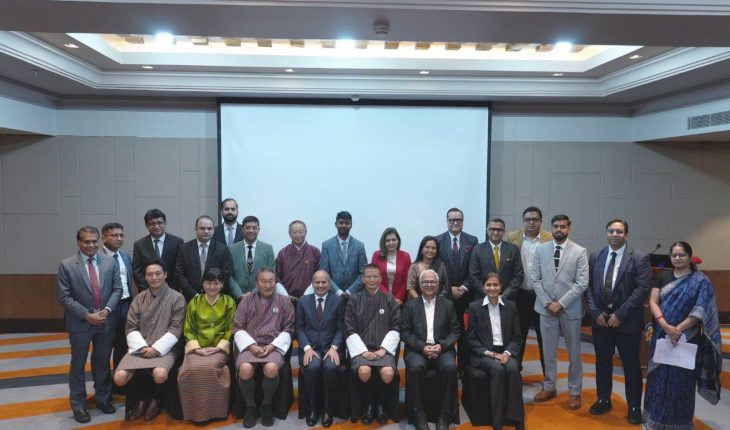
The expansion was discussed at a Medical Value Travel business interaction held in Thimphu on August 19, where healthcare institutions from Bhutan and India explored cooperation in specialized healthcare, patient referrals, knowledge sharing and capacity building.
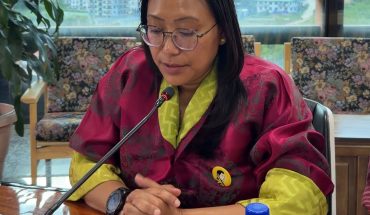
Dr Phub Tshering, Medical Director of Jigme Dorji Wangchuck National Referral Hospital (JDWNRH), said the interaction would help strengthen links with Indian hospitals and explore additional treatment options for Bhutanese patients.
“This allows us to connect with Indian hospitals and explore more treatment options for Bhutanese patients outside the country.”
For patients requiring procedures, specialist expertise or medical technology unavailable or limited in Bhutan, overseas referral remains an important part of the healthcare system.
The participating Indian institutions presented their areas of specialisation, centres of excellence, international patient services and treatment packages to Bhutanese healthcare stakeholders.
The institutions included Artemis Hospital in Gurugram, Downtown Hospital in Guwahati, Fortis Healthcare, Marengo Asia Hospitals, Karetrip.com, Rajagiri Hospital, Sri Balaji Action Medical Institute, Venkateshwar Hospital, Yashoda Medicity Hospital and Neotia Getwel Multispecialty.
A wider referral network would give Bhutanese healthcare providers more institutions to consider when referring patients, depending on their medical conditions and the availability of specialised services.
For patients and their families, the significance of the expansion lies not simply in the number of hospitals available, but in whether the system can connect them with appropriate specialists and treatment in a timely manner.
The discussions also looked beyond sending patients abroad, with Indian healthcare providers expressing interest in surgical camps, specialist interaction, knowledge sharing and capacity building where gaps exist.
Geetanjali Gupta of Fortis Healthcare said Indian institutions were willing to support Bhutan beyond conventional referrals, including through surgical camps and technical assistance where needed. “We are open to the idea of surgical camps. Bhutan has evolved in healthcare, but in areas where they need any kind of handholding, we would be happy to bridge that gap,” she said.
Similarly, Dr Sunil Dagar of Yashoda Medicity highlighted opportunities for knowledge sharing, capacity building and specialist outreach in Bhutan.
Such cooperation could allow Indian specialists to work alongside Bhutanese healthcare professionals on selected procedures while sharing technical expertise and experience.
For Bhutan, this could complement ongoing efforts to strengthen specialist services within the country.
Bhutan has expanded its healthcare infrastructure through national and regional referral hospitals and continues to develop specialist services. However, some complex and highly specialised cases still require overseas expertise, technology or facilities.
This creates a dual challenge for the health system: ensuring patients can access appropriate treatment when it is not available domestically while continuing to build Bhutan’s own capacity.
Closer institutional links with Indian hospitals could improve communication between referring doctors in Bhutan and specialists in India, including during treatment and follow-up after patients return home.
The partnerships could also provide opportunities for Bhutanese healthcare professionals to gain exposure to specialised services and advanced medical practices.
If the cooperation develops into regular specialist exchanges, training programmes and surgical camps, it could support the transfer of knowledge and skills to Bhutan and contribute to strengthening domestic healthcare services.
The initiative also builds on a longstanding Bhutan-India healthcare partnership, which has included support for healthcare infrastructure, medical education, professional training and technical cooperation.
For patients, stronger domestic capacity could eventually reduce the need to travel abroad for some procedures, while a wider referral network would provide options for cases that continue to require treatment outside the country.
Howver, ites effectiveness would depend on appropriate referrals, quality of treatment, transparency around treatment costs and packages, and continuity of care between Bhutanese and Indian healthcare providers.