RENUKA RAI | Tsirang
Tsirang dzongkhag is looking to strengthen its tourism potential as increasing economic activity around Gelephu Mindfulness City (GMC) creates new opportunities for communities along the southern travel corridor.
The dzongkhag is investing in roadside recreational facilities, agro-tourism and local products while continuing to depend on agriculture and livestock as the main sources of livelihood. The strategy aims to encourage travellers to stop, spend time, and buy local products rather than pass through Tsirang.
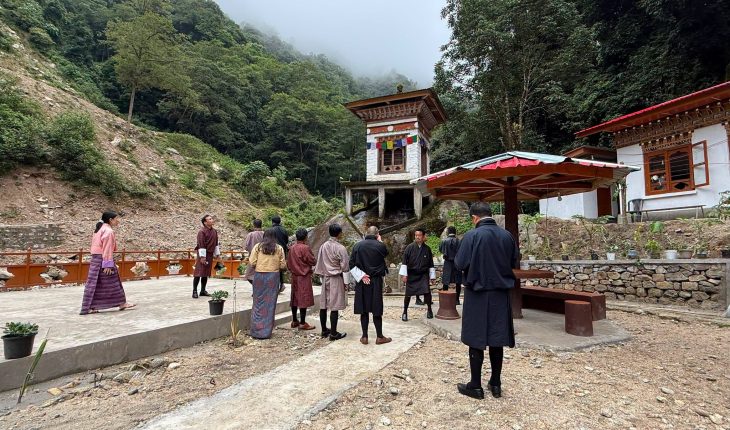
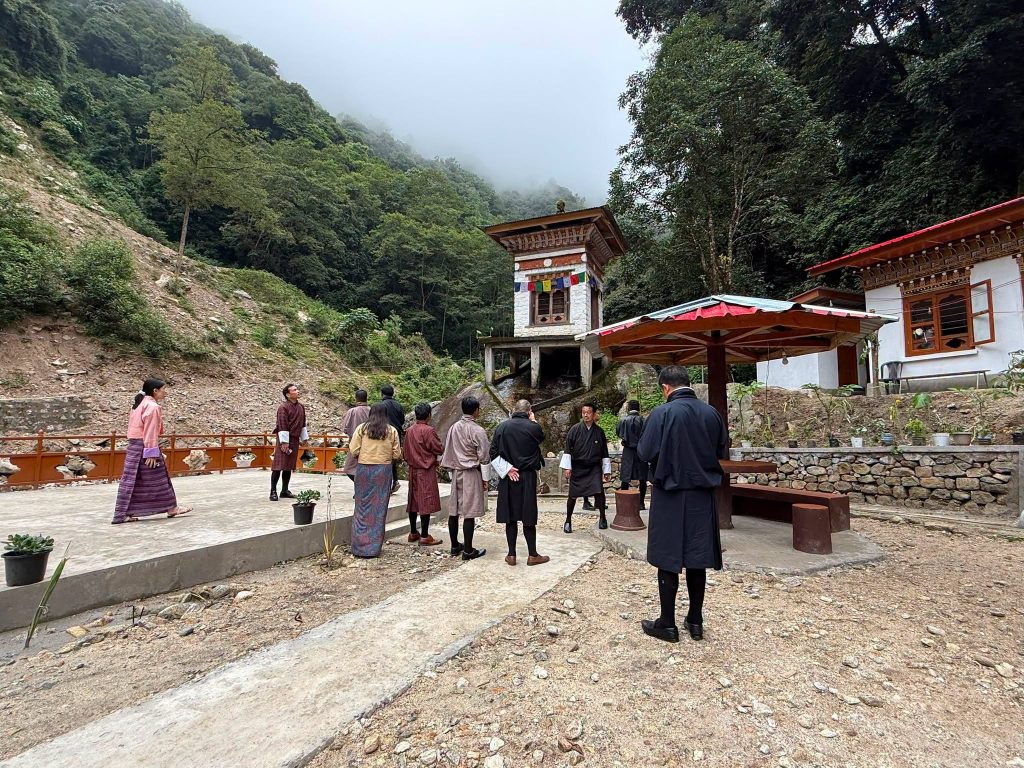
One of the latest examples is the recreational amenity at Kuchi in Patshaling Gewog, developed by the Tsirang Dzongkhag Administration with funding support from the Embassy of India in Thimphu under the Economic Stimulus Programme (ESP). The facility was completed on July 7, 2026.
The Kuchi facility is among the roadside amenities being developed along the Tsirang-Sarpang highway as the dzongkhag prepares for increased movement of people and vehicles associated with the development of GMC. The facilities are intended to provide travellers with safe and convenient places to rest while creating business opportunities for local communities.
The initiative also fits within the Tourism Minimum Facilities Initiative (TMFI) under the TASHEL Framework, which focuses on strengthening essential facilities and standards to make tourism destinations clean, accessible, safe, hospitable and culturally vibrant.
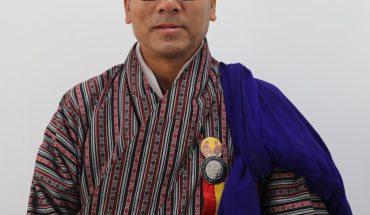
For local operators, the new facility is already creating an opportunity to earn from visitors. For Patshaling, tourism development is closely linked with agriculture. Gup Chabi Kumar Rai said the gewog has the potential to connect its agricultural and livestock products with the growing number of visitors travelling through the area.
“The organic products produced from the farmland by the farmers will have more accessibility to open markets through the existing market shed outlets,” he said.
He said the tourism facilities could provide farmers with an additional avenue to market their produce, particularly when operators are able to promote and sell local products directly to visitors.
“As they produce the products and the facility exists, it can do marketing for the same through the operator there,” he said.
This connection between tourism and agriculture could be particularly important for Tsirang, where farming remains a major source of livelihood. Instead of relying only on roadside food and rest facilities, the dzongkhag hopes to create a wider tourism experience built around locally produced food, agricultural products and natural attractions.
The Gup further added that Patshaling’s agricultural potential and local products could form an important part of tourism promotion.
“Having the potential of the land in the locality to produce organic products of agriculture, livestock and local products, the very purpose of tourism promotion links to the unique features of the locally produced products,” he said.
Mani Kumari Sunwar, the operator of the Kuchi recreational amenity, said the business has been doing well so far, with local tourists making up the majority of visitors.
“Local tourists are visiting more because of the local products. Tongba (local alcohol) is very popular among them,” Mani Kumari said.
The availability of local products has helped make the site attractive to domestic visitors, she said. Visitors also come to enjoy the waterfall, spend time with their families and make videos for social media.
“People come to enjoy the waterfall, make TikTok videos and spend time with their families,” she said.
The growing interest among local visitors could provide an important foundation for developing the site into a more established tourism stop. Patshaling itself has a strong agricultural base, with vegetables, livestock and other farm products forming an important part of local livelihoods.
Mani Kumari said the site has also received some international visitors. A few foreign tourists have visited three to four times, although the number of international visitors remains small compared with domestic tourists.
The experience suggests that the facility has potential to attract a wider range of visitors, but improvements will be needed if visitor numbers increase.
One of the main challenges, according to Mani Kumari, is the limited space.
“The area is small and not very comfortable. We need a bigger space so that visitors can sit comfortably,” she said.
She said some visitors have also provided feedback that they do not feel comfortable with the existing seating arrangements. More space and better seating would therefore be important if the facility is expected to accommodate larger groups and attract more tourists.
She said it has been difficult to find helpers to work at the facility, particularly as visitor numbers increase. She said staff accommodation is also urgently needed.
“I also need staff quarters. It is very much needed,” she said.
The shortage of workers could become a greater challenge if tourism activity increases in the area. For small operators, having sufficient staff is important not only for serving visitors but also for maintaining the quality of services.
Despite the challenges, Mani Kumari said the business is currently generating a good income.
She also prepares food only after customers place their orders, allowing visitors to receive freshly prepared meals.
“I serve fresh food. I make it instantly after they order,” she said.
The operator’s experience highlights how small tourism facilities can create direct economic opportunities for local people while promoting local products and experiences.
Tsirang’s tourism plans are broader than roadside recreation. The dzongkhag is also developing agro-tourism and market facilities that can connect farmers with visitors.
The dzongkhag’s agricultural base could become one of its strengths as it develops tourism. Patshaling is known for vegetable cultivation and livestock farming, while local products can provide visitors with experiences and goods that are distinct to the area.
Other tourism-related developments are also emerging in Tsirang. The Lungsigang Agro-Tourism Park in Tsholingkhar is being developed with features including fruit orchards, eco-trails, a viewpoint, resting sheds and a market for locally certified products.
The revival of Dara Tsho in Patshaling has also raised expectations that natural attractions along the highway could contribute to tourism and local livelihoods. The lake is located along the route towards Gelephu and has already been used as a stopping point by travellers.
However, attracting more visitors will require more than physical infrastructure. Operators will need adequate space, trained workers, accommodation for staff, proper seating, food services and regular maintenance.
For Tsirang, the emerging tourism opportunity around GMC could therefore be both an opportunity and a test. The dzongkhag has natural attractions, agricultural products and roadside locations, but these need to be developed into comfortable and sustainable visitor experiences.
The Kuchi facility shows that the first steps are already being taken. Local tourists are visiting, businesses are earning and visitors are beginning to discover the site.
As Tsirang seeks to tap the emerging tourism opportunities around GMC, the bigger question will be whether these small investments can grow into sustainable businesses that benefit local communities while encouraging travellers to stop and experience what the dzongkhag has to offer.