BTP MP defeats ruling party candidate Tandin Wangchuk 24-23 to become first Opposition member elected Speaker
TIL BDR GHALLEY | Thimphu
The Opposition MP Tempa Dorji defeated ruling party candidate and Health Minister Tandin Wangchuk by a single vote to become the first Opposition member elected Speaker of Bhutan’s National Assembly.
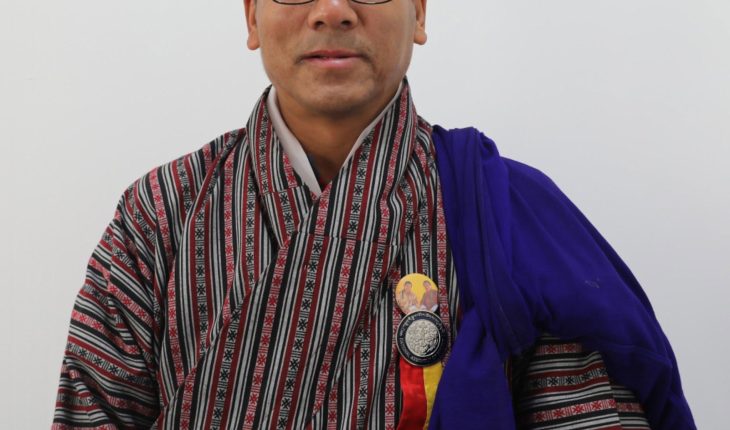
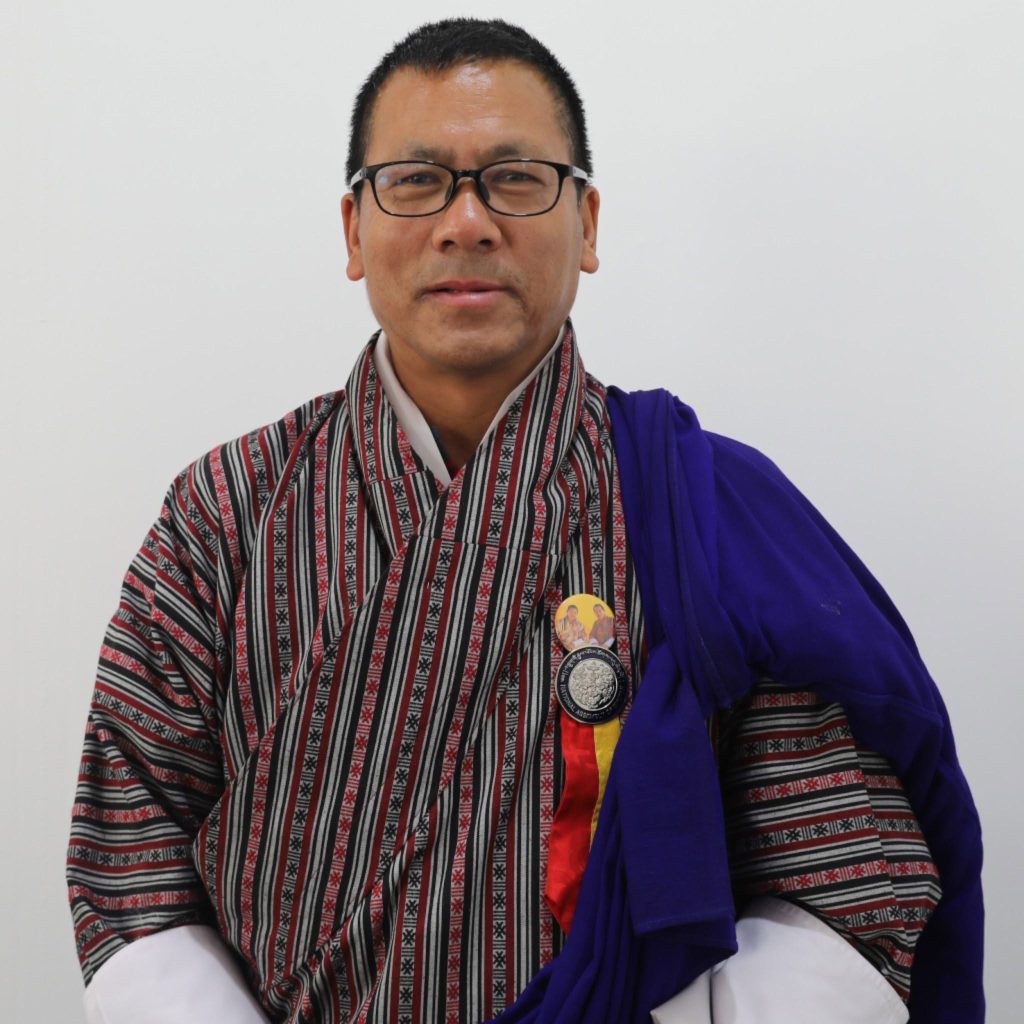
National Assembly Speaker-elect Tempa Dorji, 58, the Bhutan Tendrel Party (BTP) nominee from the Maenbi-Tshenkhar constituency in Lhuentse, secured 24 votes against 23 for Tandin Wangchuk in a secret ballot attended by all 47 MPs.
The result defied the balance of numbers in the House, where the ruling People’s Democratic Party (PDP) holds 31 seats against 16 held by the BTP. Although the secret ballot does not reveal how individual MPs voted, the 24-23 result indicates that Tempa Dorji secured eight votes beyond the Opposition benches, assuming all 16 BTP MPs supported him.
The election was held during an extraordinary sitting convened after former Speaker Lungten Dorji resigned from the post on August 15.
Tempa Dorji’s election breaks with the practice of the first three parliamentary terms, during which the Speaker was elected from the ruling party. It also puts an Opposition MP in charge of proceedings in a House where the Government retains a clear majority.
The Speaker’s position is not a party leadership post. The Speaker presides over proceedings of the National Assembly and is expected to ensure that parliamentary business is conducted according to the Constitution, laws and Rules of Procedure.
That distinction is particularly significant following Tempa Dorji’s election because the National Assembly Act explicitly requires the Speaker to remain non-partisan.
Section 41 of the National Assembly Act of Bhutan 2008 states that “the Speaker shall remain non-partisan in the fulfillment of his or her role.” Section 40 of the Rules of Procedure of the National Assembly similarly provides that the Speaker shall remain non-partisan in fulfilling the role.
Tempa Dorji said he understood the responsibility attached to becoming the first Opposition MP to hold the post.
“My election as Speaker is both a personal responsibility and a significant milestone for our democracy, as it is the first time an Opposition Member has been entrusted with this role,” he said.
He said his political affiliation would not determine how he presides over the House.
“As Speaker, I understand that the Office is above party politics,” he said.
His pledge of neutrality will be tested in a Parliament where the Government has a substantial majority and where the Opposition will continue to rely on parliamentary mechanisms to scrutinise the executive.
Tempa Dorji said he would treat ruling and opposition MPs equally and ensure that both sides have a fair opportunity to be heard. He also said he would uphold the dignity and integrity of the National Assembly and put the interests of Parliament, the country and the people above partisan considerations.
Beyond presiding over debates, Tempa Dorji said he wants Parliament to strengthen its oversight of the Executive.
He identified parliamentary questions, debates and committee work as important mechanisms through which MPs can examine government policies, spending and decisions. He also said committees should be strengthened and that recommendations arising from their work should be followed up in a timely manner.
The emphasis on committees is significant because much of Parliament’s detailed scrutiny takes place outside the floor of the House, where committees examine legislation, policies and issues within their respective areas of responsibility.
“My aim is to promote constructive and non-partisan oversight that strengthens transparency, accountability, and public trust,” Tempa Dorji said.
He said Parliament’s broader responsibility was to ensure that the executive remains accountable to the people.
Tempa Dorji said the parliamentary system already provides avenues for both Government and Opposition MPs to question, contribute and scrutinise, but said the Speaker must ensure those opportunities are applied fairly.
Although his election has given the Opposition the Speaker’s chair, he said he would not use the position to advance the interests of his party.
“Although I was elected as an Opposition Member, once I preside the proceedings, I have a responsibility to remain impartial and conduct the proceedings fairly,” he said.
Under his approach, the Opposition would have adequate space to raise issues and scrutinise government policies, while Government MPs would have an equal opportunity to explain and defend those policies.
He said the objective should be a balanced and respectful Parliament in which all MPs can contribute meaningfully in the interest of the nation and the people.
This will also extend to MPs representing smaller parties or minority positions, he said. He pledged to apply the Rules of Procedure impartially and ensure that different views are heard and respected.
“Although I come from the Opposition, once I take the Chair, my responsibility is to remain neutral and serve the Parliament as a whole,” he said.
Tempa Dorji said his immediate priority would be to improve the quality and effectiveness of parliamentary work rather than pursue sweeping institutional changes.
He said MPs should have adequate time and information to examine legislation and that parliamentary debates should be informed and constructive. He also identified stronger committee research and follow-up as areas requiring attention.
“My immediate priority would be to make parliamentary work more focused, practical and effective,” he said.
His approach reflects his own experience in Parliament. Tempa Dorji has served as an MP for 12 years in both Houses, giving him experience from both legislative and constituency perspectives.
He said that experience would inform his efforts to improve legislative scrutiny, committee work, research and follow-up.
Tempa Dorji also placed employment, migration, the cost of living and economic opportunities among the issues Parliament should remain closely connected to.
Rather than viewing those issues only through legislation, he said MPs should remain connected to their constituencies and bring the concerns of citizens into parliamentary discussions.
He said Parliament should also create space for discussions on entrepreneurship, private-sector growth, youth employment and opportunities for Bhutanese both within the country and abroad.
“Parliament should remain closely connected to the everyday concerns of our people,” he said.
For the new Speaker, the challenge will be to balance Parliament’s role in scrutinising the Government with his responsibility to preside over the House impartially.