DAWA ZANGMO | Bumthang
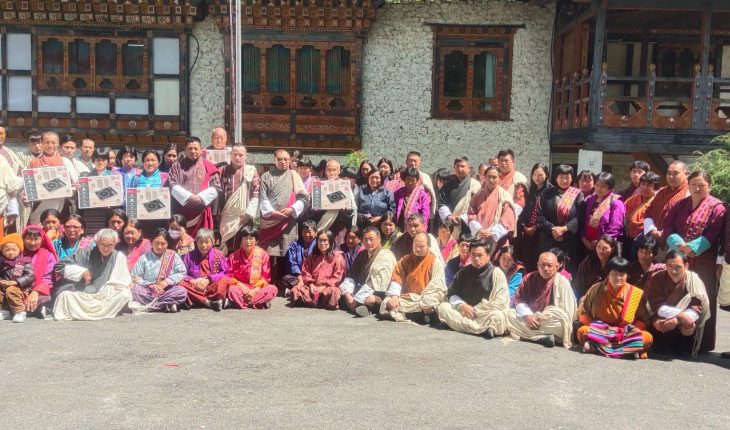
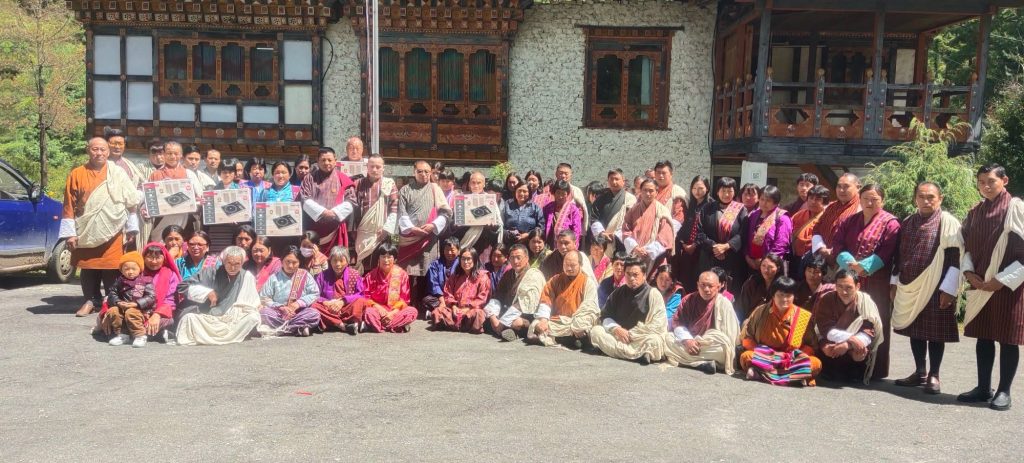
Around 100 households in remote parts of Chhumey Gewog are being provided with electric cooking stoves at a subsidized price as part of a pilot initiative to encourage rural households to shift from firewood to cleaner cooking alternatives on 7 September 2026.
The initiative is being implemented by the Horticulture Association of Bhutan (HAoB) in partnership with Planethos Private Limited, a sustainability consulting and climate solutions company based in India.
Firewood continues to be widely used by rural households in Bhutan, not only for cooking but also for heating homes. However, its use can expose households to indoor air pollution and contribute to pressure on forest resources.
Under the pilot project, selected households in Chhumey Gewog received clean electric cooking stoves during the launch of the initiative. Each stove costs Nu 3,500, with beneficiaries paying Nu 600. The remaining cost is being covered by HAoB and Planethos Private Limited.
Local leaders said the initiative could provide particular benefits to households that face difficulties accessing firewood and liquefied petroleum gas (LPG).
Chhumey Gup Jampel said the initiative would help households reduce their dependence on firewood and contribute to environmental conservation.
He said the subsidised electric stoves would also be beneficial for low-income households, which often face challenges in obtaining conventional cooking fuel.
For some beneficiaries, access to an electric stove is expected to ease the difficulties associated with collecting firewood and refilling LPG cylinders.
Dechen Norbu, a resident of Chhumey Gewog, expressed appreciation for receiving the stove, saying households previously depended on LPG for cooking but often faced difficulties when the gas ran out.
“Earlier, we mainly used LPG for cooking, but getting a refill after the gas ran out was difficult, and the cost was also high. With the electric stove, cooking has become more convenient for us. It will also benefit the environment, as we will no longer need to collect firewood,” Dechen Norbu said.
For households without male members or access to transportation, collecting firewood and refilling LPG cylinders can be particularly challenging.
A resident of Gaytsa in Chhumey Gewog, Karma Yangchen said the new cooking option would help address some of these difficulties.
“We find it difficult to collect firewood from the forest because there is no male member in our household. Although we have LPG cylinders, refilling them is not easy when we do not have a vehicle,” she said.
The pilot initiative is not limited to Bumthang. Another 100 households in Gangtey Gewog, Wangdue Phodrang, are also expected to receive electric cooking stoves under the project.
HAoB President Tshering Wangchuk (PhD) said the initiative is intended to encourage households to adopt cleaner and more efficient cooking practices while allowing beneficiaries to assess whether electric cooking is practical for their daily needs.
“The initiative to promote clean cooking solutions is an important step towards encouraging households to adopt cleaner and more efficient cooking practices. Through the distribution of electric cooking stoves, households will be able to experience electric cooking and assess how practical it is for their daily lives,” he said.
He also highlighted the challenges faced by women who collect firewood and cook while caring for young children.
“Especially women carry their children on their backs while making a fire for cooking face more difficulty. The smoke can affect both the mother and the child. Through these electric cookers, we want households and women with children to stay away from smoke and take better care of their health,” Tshering Wangchuk said.
The pilot is part of a broader clean cooking project launched earlier this year by HAoB and Planethos Private Limited. The project aims to promote cleaner cooking technologies among households and assess their adoption and practicality in rural communities.
According to President of HAoB, if the pilot initiatives in Bumthang and Wangdue Phodrang prove effective, the programme could be expanded to other parts of the country. The project estimate that the use of the electric stoves could reduce carbon emissions by around 1.2 tonnes per household each year.
HAoB and Planethos Private Limited plan to distribute around 30,000 electric cooking stoves to households across Bhutan under the broader project.
The initiative also complements government efforts to expand access to cleaner cooking alternatives and support the country’s carbon-negative status.
For participating households, the pilot will provide an opportunity to use electric cooking in their daily lives while reducing reliance on firewood and addressing some of the challenges associated with conventional cooking fuels.