RENUKA RAI | Thimphu
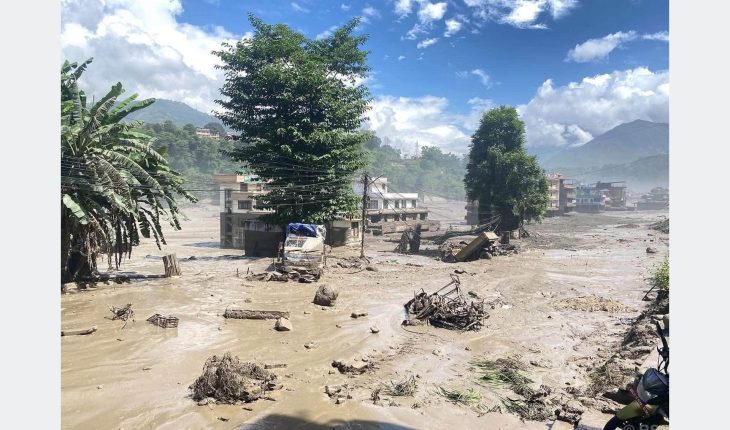
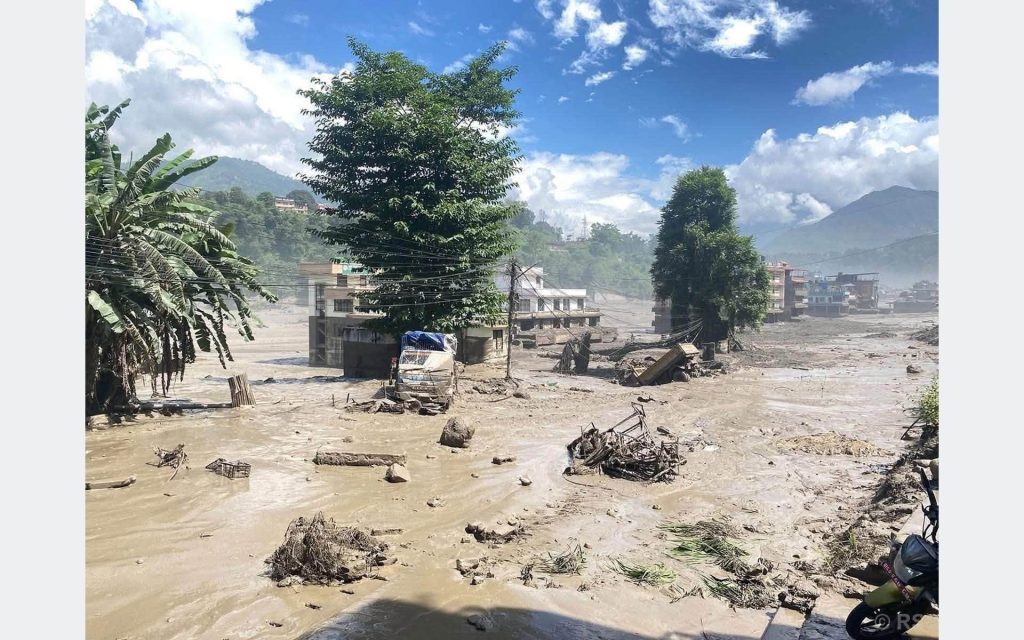
The catastrophic floods that swept across Nepal and Tibet (China) have left thousands of families grieving and waiting for news of missing loved ones, while the disaster has also touched Bhutan through pilgrimage routes, personal connections and a shared Himalayan landscape.
As of August 29, Nepal has reported 626 deaths, while China has confirmed seven deaths in Tibet. Around 2,426 people remain missing in Nepal and another 588 in Tibet. The figures could rise as rescue teams reach remote areas affected by the disaster.
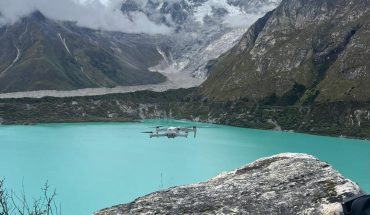
The floods struck on August 26 after a massive glacier-related event in the Langtang Lirung region triggered a sudden surge of water, rock and debris downstream. Drone footage taken shortly after the glacier slide shows extensive destruction across the mountainous terrain.
The disaster has severely affected communities and infrastructure along the Nepal-China border, including Rasuwa and areas around the Bhotekoshi River.
The Nepal government has intensified rescue operations at the Trishuli 2016 ‘A’ hydropower project tunnel in Rasuwa, following reports that people may be trapped inside.
According to the reports, authorities have been working for the past two days to open the tunnel entrance and search for people who may be trapped inside.
A joint team from the Nepal Army, Armed Police Force Nepal and Nepal Police has been deployed to accelerate the operation. Adverse weather conditions, however, have made the search increasingly difficult.
An Indian rescue team that travelled to Nepal to provide assistance has reached Trishuli. The team is expected to conduct preliminary aerial monitoring of the Chilime and Langtang areas by helicopter before determining where further rescue support is required.
The Armed Police Force Nepal has also significantly expanded its deployment.
An additional 2,983 personnel have been mobilised for search-and-rescue operations, bringing the total number of Armed Police personnel involved in disaster response to 4,828, up from 1,845 previously deployed.
Specialised teams have been sent to Rasuwa, Nuwakot, Dhading, Tanahu, Gorkha, Chitwan, East Nawalparasi and West Nawalparasi. The teams include trained search-and-rescue personnel, mass-casualty vehicle operators, corpse-management specialists, camp coordination teams and first-aid personnel. A 44-member team trained in collapsed-structure search and rescue has also been deployed.
The response further includes a K9 search unit comprising 21 personnel and seven dogs, while five drones are being used for aerial searches. Rope-rescue personnel and divers have also been deployed in affected areas. Another 355 Armed Police personnel have been kept on standby for additional deployment.
Authorities are also collecting information through 1,200 disaster indicators across 48 wards along the Trishuli and Bhotekoshi river corridors to support search, rescue and relief operations. Alongside rescue operations, Nepal is expanding medical and relief assistance to affected communities.
According to reports, health camps with specialist doctors have been operating since the disaster. Emergency treatment facilities have also been prepared, including 100-bed capacity at the Trauma Centre of the Armed Police Force Disaster Management Training School and at Kurintar.
The Armed Police Force has transported essential supplies to affected areas, including eight generators, fuel, five solar panels and 15 gas cylinders, to support communities facing disruptions to basic services.
The Cabinet has also decided that members of the Prime Minister and Council of Ministers will contribute one month’s salary or wages to the Prime Minister’s Disaster Rescue Fund.
The government has directed the Ministry of Finance to prepare a relief, recovery and reconstruction package for people affected by the floods in the border districts, particularly communities around Rasuwagadhi, the Bhotekoshi River and downstream areas.
Bhutan lights 1,000 lamps
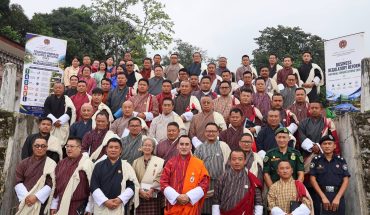
On August 28, His Majesty the King, His Majesty the Fourth Druk Gyalpo, Her Majesty the Queen, the Queen Mothers and members of the Royal Family lit 1,000 butter lamps at the Grand Kuenrey of Tashichhodzong in memory of the victims of the floods in Nepal and China.
The Prime Minister, senior government leaders and Nepali citizens living and working in Bhutan joined the ceremony. Prayers were offered for those who lost their lives, those still missing and families facing grief and uncertainty.
In a message, Their Majesties expressed deep sadness over the devastation and extended prayers to the victims, missing persons and affected families. The ceremony reflected Bhutan’s response to tragedy through prayer, compassion and solidarity. As rescue teams continue searching through damaged communities in Nepal and families wait for news of missing relatives, Bhutan has responded with prayers and solidarity.
The disaster has also prompted Bhutanese experts to reflect on the risks faced by Himalayan countries. Bhutan shares the same broader Himalayan environment as Nepal and Tibet, where glaciers, steep mountain slopes, rivers and settlements exist in close proximity.
The country’s own history includes the devastating 1994 Lugge Tsho Glacial Lake Outburst Flood, which travelled down the Pho Chhu valley and caused extensive damage in Punakha.
The recent disaster is therefore more than a tragedy being watched from across the border. It is also a reminder of the vulnerability of communities living in a rapidly changing Himalayan environment.
But for Bhutanese people, the immediate response has not been one of fear alone. The mountains may divide the countries geographically, but the disaster has shown how closely connected Himalayan communities remain.
For Bhutan, the thousand butter lamps lit at Tashichhodzong were a quiet expression of that connection a prayer for those lost, hope for those still missing and strength for families facing the long road to recovery.