RENUKA RAI | Thimphu
The Ministry of Energy and Natural Resources (MoENR) is stepping up efforts to protect and revive water sources in Paro after the National Water Resources Inventory Report 2026 found that 16 surface-water sources have already dried up and another 117 are in the process of drying.
The findings have prompted the Department of Water to focus on protecting water recharge areas, restoring degraded watersheds and involving communities in the management and conservation of water sources.
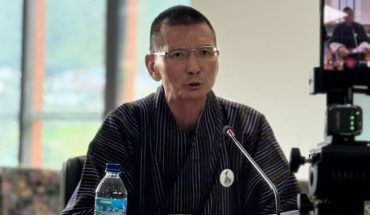
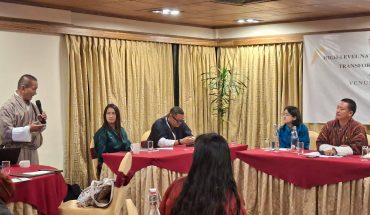
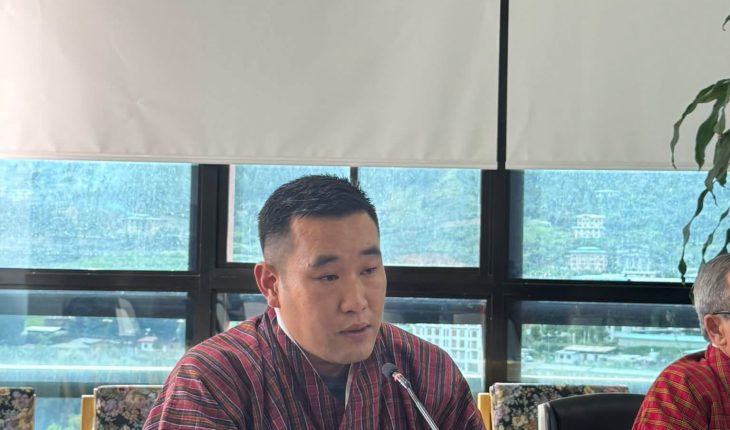
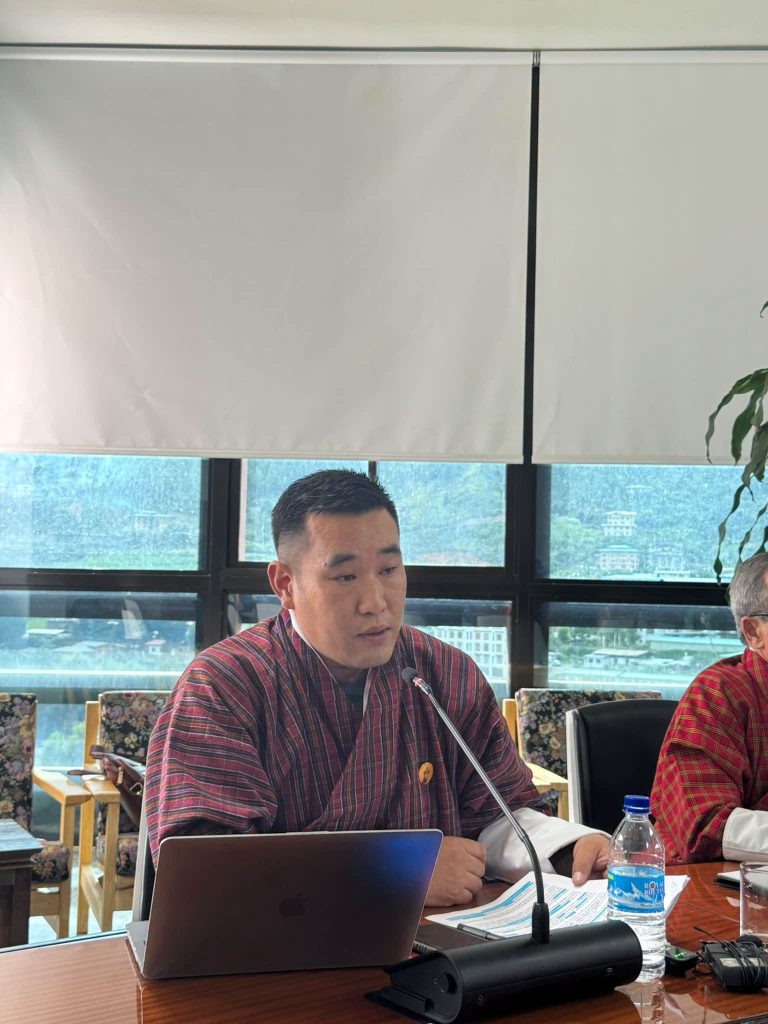
Minister for MoENR Sonam Tashi said the findings were concerning but had also provided a clearer understanding of where interventions were needed during the meet the press session on 11 September 2026.
The inventory assessed 472 surface-water sources in Paro, of which 16 had completely dried up and 117 were drying.
As an immediate measure, the Department of Water has completed hydrogeological assessments and identified around 7,683 hectares of potential recharge areas in degraded sub-watersheds of Dogar, Lamgong, Wangchang, Tsento and Shaba gewogs.
The areas have been identified for protection and restoration to improve the natural recharge of water sources that are already showing signs of decline.
“The findings from the water resources inventory are concerning, but they also give us a much better understanding of where action is needed,” Lyonpo said.
The government is also preparing interventions to revive drying springs through nature-based solutions.
Around Nu 7.1 million has been secured through the Enhancing Climate Resilience of the Urban Landscapes and Communities (ECRUL) Project for interventions to revive vulnerable water sources. The interventions are planned for implementation during the current financial year, initially in selected areas of Dogar and Lamgong gewogs.
The approach focuses on using natural processes and restoring degraded areas to strengthen the availability and recharge of water sources.
Beyond physical interventions, the government is also putting emphasis on awareness and community participation.
Around Nu 1 million has been secured through the Adaptation Fund Project and ECRUL for awareness programmes on drying water sources, watershed management and training on spring revival.
The government is also promoting Water User Associations (WUAs) to strengthen community ownership of water resources and water supply systems.
According to Lyonpo Sonam Tashi, the associations will allow communities to take greater responsibility for the proper and timely maintenance of their water supply systems, while also protecting and conserving surrounding watersheds and water-source areas.
WUA formation has already been initiated in Balakha and Dragyepangtsho under the Adaptation Fund Project.
The move comes as the inventory reveals a wider decline in water sources in the country’s two major urban and peri-urban dzongkhags.
In Thimphu, the department assessed 495 surface-water sources. Two had completely dried up while another 110 were in the process of drying.
Taken together, the findings show that 227 water sources across Paro and Thimphu are showing signs of decline, including 18 that have already dried up.
For communities dependent on local water sources, the drying of springs can affect household water supply, agriculture and other daily activities. The decline also raises concerns about the long-term reliability of water sources, particularly as watersheds face increasing pressure.
However, the government says the inventory will not be limited to Paro and Thimphu.
The Water Resources Inventory for Samtse, Sarpang, Tsirang and Dagana was completed in the 2025–26 financial year, and the inventory report is currently in draft form.
Lyonpo Sonam Tashi said funding has also been secured to carry out the inventory in the remaining 14 dzongkhags, with the government planning to complete the assessment within the current 2026–27 financial year.
“This will not only give us a clear picture of our water resources in the country but will also help us to implement timely mitigation measures to minimize the risk of water resources drying in the future,” he said.
The nationwide inventory is expected to provide the government with a broader understanding of the condition and availability of water resources across the country.
It could also help identify vulnerable sources and areas where early interventions are needed, rather than waiting until water sources have completely dried up.
For Paro, the government’s immediate response is focused on three areas protecting recharge zones, reviving drying springs and strengthening community ownership.
The identification of 7,683 hectares of potential recharge areas provides a basis for protecting the landscapes that naturally replenish water sources. At the same time, the Nu 7.1 million intervention package is expected to support practical measures to revive vulnerable springs, while the additional Nu 1 million will support awareness and training.
The involvement of WUA is also expected to play an important role in sustaining these efforts.
While government-funded projects can support restoration, continued protection of watersheds and regular maintenance of water systems will require active participation from communities that depend on them.
The broader inventory programme could help the government identify similar challenges elsewhere and develop measures suited to the conditions of individual dzongkhags.
The findings from Paro and Thimphu underline a growing concern for Bhutan water sources that were once considered dependable are showing signs of decline.
As the government expands its assessment of water resources across the country, the focus is increasingly shifting from responding to water shortages after they occur to identifying risks early, protecting recharge areas and restoring vulnerable sources before they disappear.
For Paro, the challenge now is to ensure that planned interventions translate into the recovery of drying springs and long-term protection of the watersheds that sustain them.