NGAWANG JAMPHEL | Thimphu
Bhutan has accelerated a broad package of policy, regulatory, financial and industrial reforms aimed at improving the business environment, attracting foreign investment, strengthening domestic enterprises and expanding opportunities for cottage and small industries (CSIs).
Over the past two years, the government has introduced measures ranging from relaxed foreign direct investment (FDI) rules and simplified licensing procedures to concessional financing, direct grants, industrial park expansion and initiatives to create markets for locally manufactured products.
The reforms are part of wider efforts to improve private sector participation and address longstanding constraints faced by businesses, particularly in accessing foreign currency, financing, industrial land and markets.
A major step came with the launch of the FDI Rules and Regulations 2025 on August 8, 2025. The new framework significantly eased conditions for foreign investors by relaxing access to foreign currency, removing the lock-in period and lowering minimum foreign investor shareholding requirements.
The regulations also simplified investment in existing entities and downstream businesses while streamlining visa and work permit procedures for foreign investors and employees.
Defined turnaround times for project approvals were also introduced, providing greater predictability for investors and reducing administrative uncertainty.
The government expects the reforms to make Bhutan a more attractive destination for private and foreign investment by reducing regulatory barriers and making investment procedures more transparent and efficient.
Another significant reform followed on March 10, 2026, when the government formally revoked the Rules and Procedure for Approval of Industrial Projects Requiring Hard Currency for Import of Raw Materials, 2004.
The repeal ended a two-decade-old system that had restricted access to foreign currency. For cottage and small industries, the reform removed the annual foreign currency ceiling of USD 50,000. It also eliminated the requirement for medium and large domestic industries to earn foreign currency through exports in order to access foreign currency for imports.
The move is expected to simplify the import of raw materials and reduce operational difficulties for manufacturers that depend on imported inputs
The government has also pushed ahead with digital transformation through the Integrated Business Licensing Service (IBLS).
The system has been fully stabilized to provide business licensing services online, including the issuance, renewal, modification and cancellation of business licences and registrations.
The digital platform is intended to reduce the time and administrative burden associated with obtaining and maintaining business licences, while improving transparency and accessibility for entrepreneurs.
The Invest Bhutan Web Portal, launched in August 2024, was also enhanced during FY 2025-2026, including full integration with IBLS and the introduction of post-licensing services.
Land administration has also been streamlined. Under a revised Standard Operating Procedure, the National Land Commission Secretariat delegated authority for executing lease agreements, collecting rent and monitoring industrial park plots directly to the Department of Industry.
The change is designed to reduce administrative delays faced by businesses seeking industrial land.
Financial support has been another major component of the government’s efforts to strengthen the private sector.
Under the Economic Stimulus Programme, approximately Nu. 3.3 billion has been disbursed through concessional loans to businesses, start-ups and cottage and small industries.
The government has also introduced mechanisms aimed at easing cash-flow pressures in the construction sector.
Through the Economic Development Board, the Contractor Liquidity (Bill Discounting) facility allows contracting firms to obtain immediate bank financing by discounting receivables owed by government agencies. The mechanism is intended to bridge cash-flow gaps while contractors wait for payments on completed work.
In another financial reform, the government approved changes to Environment Restoration Bond requirements in the mining sector. Restoration cash deposits can now be submitted through bank guarantees, helping release substantial amounts of cash that would otherwise remain tied up
Efforts to attract investment have also expanded beyond domestic reforms.
The Invest Bhutan Summit 2026, held in Thimphu on February 12-13, brought together more than 250 participants, including 71 foreign venture capitalists, impact investors and technology developers.
The summit showcased 26 curated, investment-ready projects seeking approximately Nu. 55 billion in capital. It resulted in 10 Memorandums of Understanding being signed, with two projects subsequently securing foreign investment.
Bhutan has also stepped-up overseas investment promotion. Roadshow in India in January 2025 brought together public and private sector representatives in New Delhi, Mumbai and Bengaluru. The delegation engaged more than 191 investors and conducted approximately 350 business-to-business meetings.
In June 2026, roadshows in Thailand and Vietnam attracted more than 130 Southeast Asian representatives. Seventeen curated investment-ready projects were promoted during the engagements.
The Thailand and Vietnam outreach also resulted in a bilateral trade Memorandum of Understanding between Gerab Nyed-Yon Limited and the Vietnam Cultural Industry Development Association, opening another channel for commercial and cultural industry cooperation.
While promoting foreign investment, the government has simultaneously introduced measures to protect and expand domestic markets.
The Ministry of Finance restricted nationwide procurement of chain-link fencing to domestic manufacturers, creating additional demand for local fabricators involved in agricultural fencing projects.
A government notification issued in October 2024 also made the use of certified locally produced concrete bricks mandatory for budgetary agencies undertaking public infrastructure development.
The policy provides domestic brick manufacturers with a dedicated market and seeks to reduce competition from imported alternatives in government-funded construction projects.
Industrial infrastructure has also been strengthened to accommodate new businesses and encourage investment.
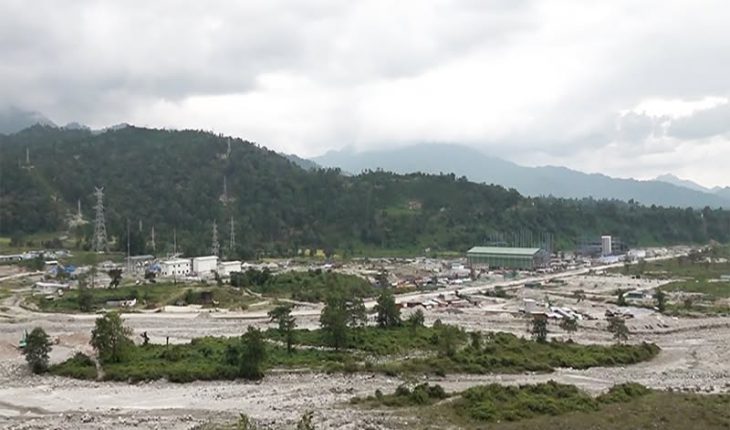
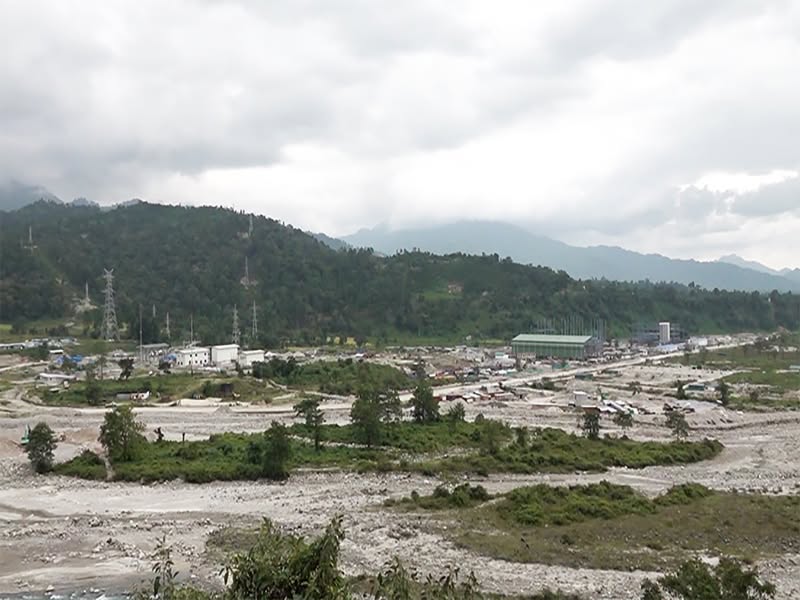
At Dhamdum Industrial Park, the number of allotted industries increased from 44 to 68, representing a 77.5 percent occupancy rate. The expansion was supported by river training works.
Core infrastructure at Norbugang Industrial Park, including roads, drainage systems, electricity, watchtowers and management offices, has been completed. Clearances have also been facilitated for the relocation of heavy industries to the park.
At PhuntshoRabtenling Industrial Park, Dantak-funded park roads, gabion walls and staff quarters have been completed.
A new industrial park site covering 148.72 acres was identified at Bokajuli in Samdrup Jongkhar in March 2025. Its technical and economic feasibility study was completed during FY 2025-2026.
The expansion of industrial infrastructure is expected to provide more space for manufacturers and other businesses while supporting regional economic activity.
The government has also increased direct assistance to smaller enterprises.Revised guidelines introduced in 2024 enabled direct government grant support to the informal sector. Under the programme, core machinery and equipment worth up to Nu. 300,000 were provided as full grants to 14 beneficiaries in FY 2024-2025 and to another 20 beneficiaries in FY 2025-2026.The objective is to help informal businesses transition into licensed and formal enterprises.
Meanwhile, the Industrial Development Grant Scheme (IDGS) was revised in August 2025, increasing the equipment procurement ceiling under the cost-sharing arrangement from Nu. 0.3 million to Nu. 0.5 million.
During FY 2025-2026, 10 manufacturing cottage and small industries received support under the revised scheme, allowing them to upgrade machinery and production capacity.
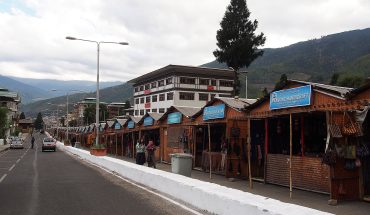
Market access for small producers has also received attention. Two aggregated retail outlets operating as public-private partnerships were established in Samdrup Jongkhar in December 2024 and Bumthang in May 2026.
The outlets are intended to provide small producers with improved access to domestic consumers and, potentially, international markets.
Taken together, the reforms represent a broad effort to shift Bhutan’s business environment toward greater private sector participation. By easing investment regulations, removing foreign currency restrictions, digitising licensing, improving access to finance and industrial land, and creating markets for domestic producers, the government is seeking to build a more competitive and investment-friendly economy.
The effectiveness of these reforms, however, will ultimately depend on how quickly businesses can translate the new opportunities into increased production, investment, employment and exports. With regulatory barriers being reduced and new investment platforms and industrial infrastructure emerging, the private sector is expected to play an increasingly important role in Bhutan’s economic development.