TIL BDR GHALLEY | Thimphu
A growing share of Bhutanese life is moving online. Public services are increasingly delivered digitally, payments are made through digital platforms and internet connectivity has expanded across the country.
But as technology becomes more embedded in everyday life, questions are emerging over whether citizens are adequately prepared for the changes and risks that come with the digital transition, and how Bhutan should govern emerging technologies such as artificial intelligence.
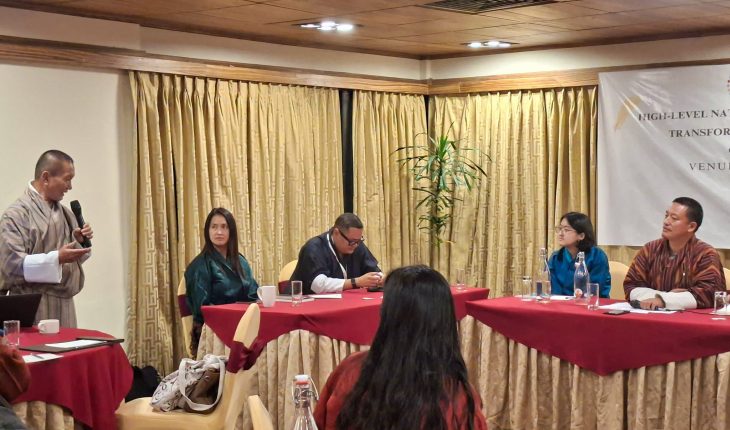
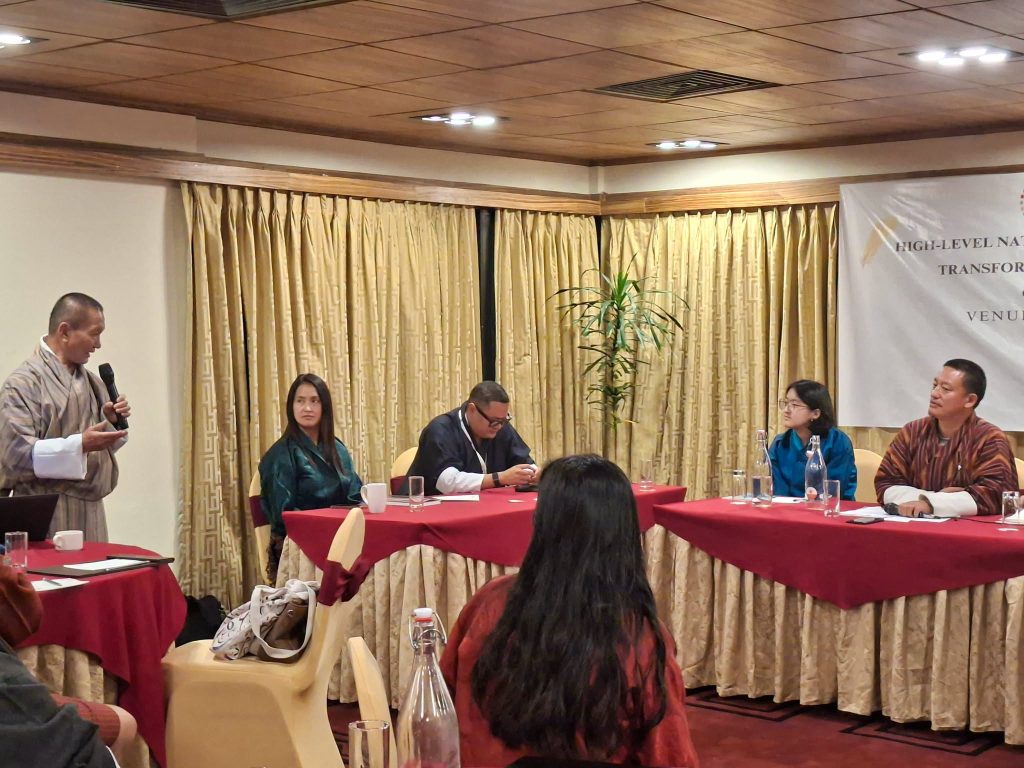
More than 60 representatives from government agencies, civil society organisations, the private sector, academia, media and youth groups gathered for the high-level dialogue on inclusive digital transformation and responsible digital governance.
The dialogue was organised by the Journalists’ Association of Bhutan (JAB) with support from the Digital Democracy Initiative (DDI) South Asia.
Bhutan has expanded the delivery of public services online, while digital payments and internet connectivity have become increasingly embedded in daily life. The shift has created new opportunities for citizens, businesses and public institutions, but has also raised questions about whether everyone can access and use digital services effectively.
Rinzin Wangchuk, executive director of JAB, said digital development had created new opportunities for citizens, businesses and public institutions.
“Public services are increasingly available online, digital payments have become part of daily life, and internet connectivity has expanded across the country. These developments have created new opportunities for citizens, businesses and public institutions,” he said.
He said the benefits of digitalisation were not necessarily reaching everyone equally, particularly people living in remote and rural communities.
A key concern raised during the panel discussion was the usability of government digital services. Panelists cited difficulties some citizens face when using the Bhutan National Digital Identity (NDI) app, questioning whether services that can be difficult to navigate in urban areas would be accessible to people in rural and remote communities.
“If people living in the capital are facing difficulties using some of these applications, how can we expect people in rural and remote areas to use them easily?” a panelist said.
Panelists also raised concerns about the growing number of government applications for different services, saying multiple platforms could make it difficult for citizens to know where to access particular services.
“Instead of creating different applications for different government services, there should be a single window where citizens can access multiple services,” panellists said.
A panellist called for a more integrated digital ecosystem to ensure smoother delivery of services and a more seamless experience for citizens, saying greater coordination among government agencies and digital platforms would help reduce fragmentation and improve access.
The concerns highlighted the practical challenges citizens can face when accessing digital public services beyond simply having internet connectivity.
Youth representatives focused on preparedness for emerging technologies and the changing digital economy.
A youth representative from YUMRA said young people needed skills to adapt to technologies such as artificial intelligence and cryptocurrency.
“Young people need to be equipped with the skills needed to adapt to emerging technologies, including artificial intelligence and cryptocurrency,” she said.
She said access to digital learning resources remained more difficult for young people in rural areas and stressed the importance of including both urban and rural youth in discussions on Bhutan’s digital future.
“Access to digital learning resources remains more challenging for young people in rural areas,” she said.
The panel also examined risks associated with the expanding digital environment, including misinformation, information integrity, online safety and platform accountability.
Panellists stressed the importance of enabling citizens to assess information critically, recognise misinformation and understand the risks associated with online platforms.
They said stronger digital literacy would be essential to building trust in digital technologies as emerging technologies become more widely used.
“As emerging technologies, including artificial intelligence, become increasingly integrated into society, these questions have become even more important,” participants said.
The dialogue drew on the DDI Bhutan Digital Landscape Assessment, which recognises progress under the Digital Drukyul initiative, including the expansion of digital public services, digital identity systems and e-governance.
The assessment identifies uneven digital and media literacy, affordability and connectivity gaps, limited participation of women and marginalised communities, and the need for stronger digital governance and platform accountability as continuing challenges.
Panellists said addressing these challenges would require cooperation among government agencies, regulators, civil society, academia, researchers, the media, development partners and the private sector.
A panellist said Bhutan’s growing digital policy agenda and emphasis on resilience offered an opportunity to shape a digital future that was people-centred, inclusive and investment-focused.
“There is a need for policymakers, regulators, civil society, academia, researchers, the media, development partners and the private sector to work together to reflect on these opportunities and challenges,” the panellist said.
The organisers said the dialogue brought policymakers, practitioners and citizens together to identify common priorities and opportunities for collaboration.
“We hope the discussion will generate practical ideas and contribute to shaping a more inclusive and resilient digital future,” Rinzin Wangchuk said.
Recommendations from the dialogue will be consolidated into an advocacy brief to inform future initiatives on digital governance, digital inclusion, digital literacy and responsible digital transformation in Bhutan.
Researchers from the National Assembly, academics, legal experts, former Members of Parliament, civil society organisations, Bhutan Telecom, media professionals, journalists, freelancers and private-sector representatives also participated in the dialogue.