TIL BDR GHALLEY | Thimphu
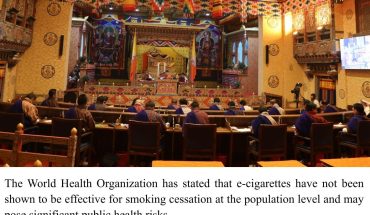
The National Council deliberated on the Cooperatives and Farmer Groups Bill of Bhutan 2025 following its introduction by the Minister for Agriculture and Livestock, Lyonpo Younten Phuntsho, who said the proposed legislation seeks to strengthen the functioning of cooperatives and farmer groups across the country.
The Bill aims to revise the existing Co-operatives (Amendment) Act of Bhutan 2009 to address implementation challenges and improve institutional efficiency. The proposed legislation introduces separate criteria for the formation of cooperatives and farmer groups, strengthens monitoring and accountability mechanisms, and establishes clearer procedures for registration, auditing, dispute settlement, and dissolution of non-performing groups.
According to the Minister, the Bill also proposes administrative measures and penal provisions to ensure the proper use of funds and sustainable operations. He said the legislation is expected to promote transparency, equitable distribution of resources, and improved economic opportunities for members and rural communities.
The Legislative Committee subsequently presented its review report to the House.
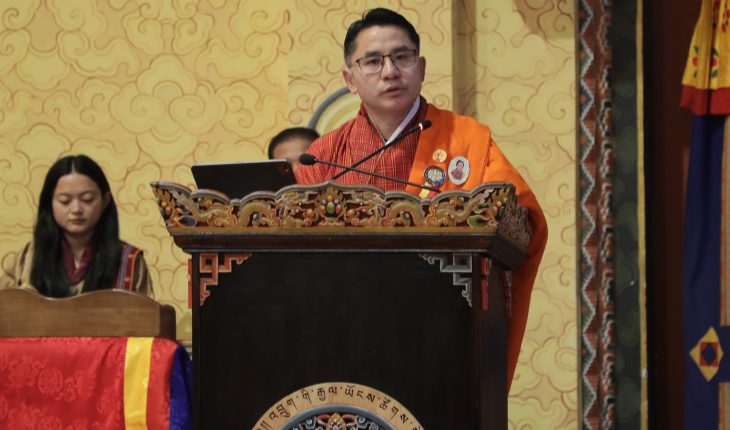
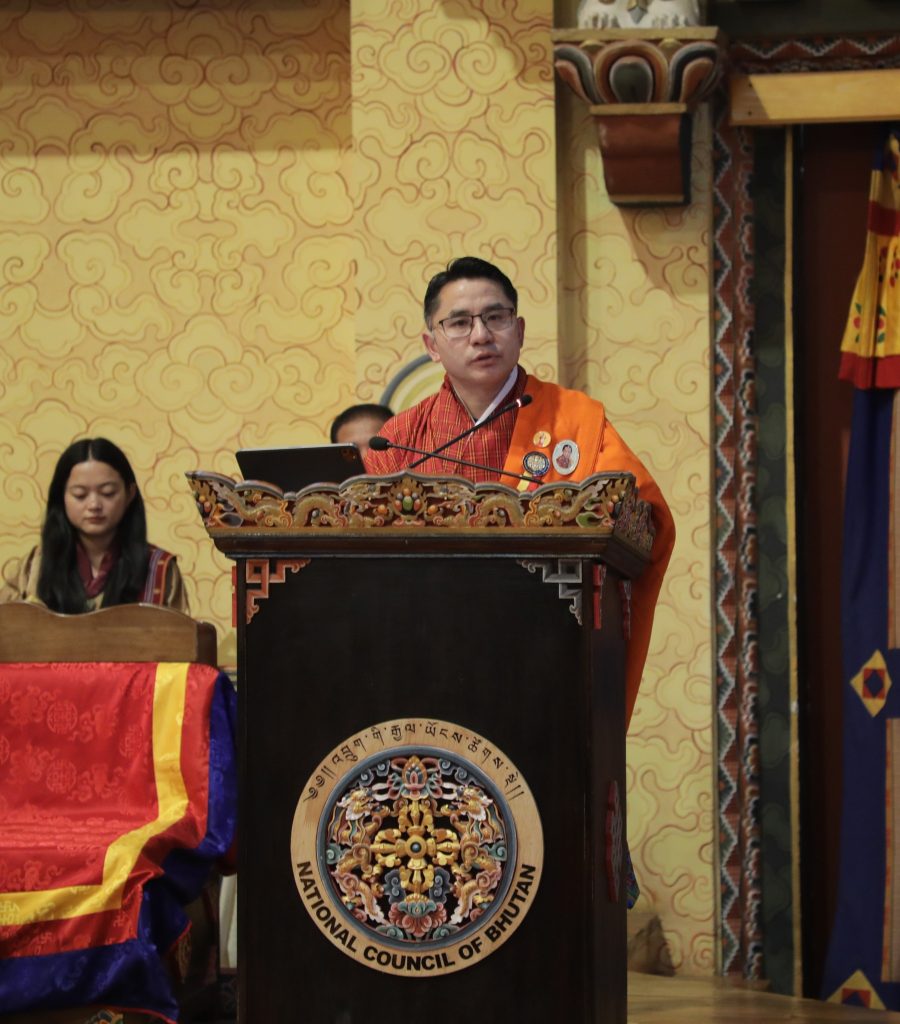
Presenting the report, the Deputy Chairperson of the Legislative Committee, Tshering Wangchen, said that despite the registration of 719 Farmer Groups, 120 Cooperatives, and two Federations across the country, several implementation challenges continue to persist.
He said key issues include unclear legal distinctions between Farmer Groups and Cooperatives, inadequate mechanisms for grants and external assistance, impractical auditing requirements, and weak enforcement and accountability provisions.
The Committee also informed the House that consultations were carried out with cooperatives and farmer groups in Wangdue Phodrang, Tsirang, and Haa dzongkhags from April 22 to 28, 2026, to better understand the challenges faced by grassroots institutions.
According to the Committee, major concerns raised during the consultations included the need for greater financial support, improved market access, enhanced capacity-building opportunities, and stronger institutional coordination. Members of farmer groups and cooperatives also highlighted difficulties in securing reliable markets for agricultural produce, accessing adequate financing, and strengthening management capacities to sustain their operations.
The Committee further reported that the National Assembly amended 76 sections of the Bill. Of these, 40 sections were further amended by the Committee, while 36 sections, including subsections, were accepted as adopted by the Assembly.
During the deliberation, National Council Eminent Member, Phuntsho Rapten raised concerns over rural depopulation and questioned whether the proposed Bill would help address youth migration from villages to urban areas in search of employment.
He said many villages are now largely inhabited by elderly residents and asked whether the Bill would strengthen cooperatives and farmer groups in a way that creates sustainable livelihood opportunities for rural communities.
Phuntsho Rapten also highlighted marketing challenges faced by farmers, stating that while government support has helped increase agricultural production, many farmers continue to struggle to sell their produce.
Referring to discussions with farmers at the Phuentsholing potato auction yard, he said farmers reported difficulties in accessing reliable markets despite increased production. He called for stronger platforms to connect producers with buyers.
MP Kelzang Lhundup from Lhuentse also raised concerns regarding market accessibility for Bhutanese agricultural products, including apples and peanuts.
He questioned whether the proposed legislation would establish reliable markets for farmers and whether it would generate economic benefits and encourage greater youth engagement in villages.
Kelzang Lhundup further stressed the importance of public-private partnerships in the agriculture sector, particularly in addressing transportation challenges faced by farmers in moving fruits and vegetables from farms to markets.
He asked whether the government plans to introduce incentives and platforms that facilitate direct engagement between producers and buyers.
He said that without reliable market access, farmers may continue to face losses, with some being forced to feed unsold produce to livestock.
The MP also raised concerns regarding the sustainability of agriculture projects, stating that while numerous initiatives have been implemented across dzongkhags and gewogs, many fail to continue beyond initial project periods because of weak ownership and maintenance mechanisms.
MP Ugyen Tshering from Paro highlighted persistent marketing challenges faced by farmers and spoke on issues related to cost-sharing arrangements between the government and farmers. He also called for improvements to the Phuentsholing auction yard.
MP Tshering from Gasa sought clarification on the distinction between farmer groups and cooperatives, noting that the proposed legislation requires a minimum of five households to form a farmer group and 15 households to establish a cooperative.
He also questioned the mechanisms available to resolve disputes and financial issues within cooperatives and farmer groups. Referring to financial disputes identified within cooperative groups in eastern dzongkhags last year, he asked what systems would be put in place to address such issues.
MP Dr. Jamyang Namgyal from Pema Gatshel questioned how the proposed Bill would contribute to strengthening Bhutan’s food security, particularly in light of increasing food imports.
Meanwhile, MP Phub Dorji from Wangdue Phodrang raised concerns regarding the lengthy process involved in leasing land for farming purposes.
He said delays in leasing procedures often prevent deserving farmer groups from accessing land in a timely manner.
MP Phub Dorji also highlighted challenges related to loan repayment within farmer groups, explaining that when some members fail to repay loans, the burden often falls on members who continue making regular repayments.
He said such situations discourage participation in farmer groups and called for stronger support mechanisms for responsible members.
The MP further stressed the need to introduce modern technologies and technical support systems to strengthen the agriculture sector.
The House subsequently deliberated extensively on the recommendations and observations submitted by the Legislative Committee before continuing its consideration of the Cooperatives and Farmer Groups Bill of Bhutan 2025.