DAWA ZANGMO | Thimphu
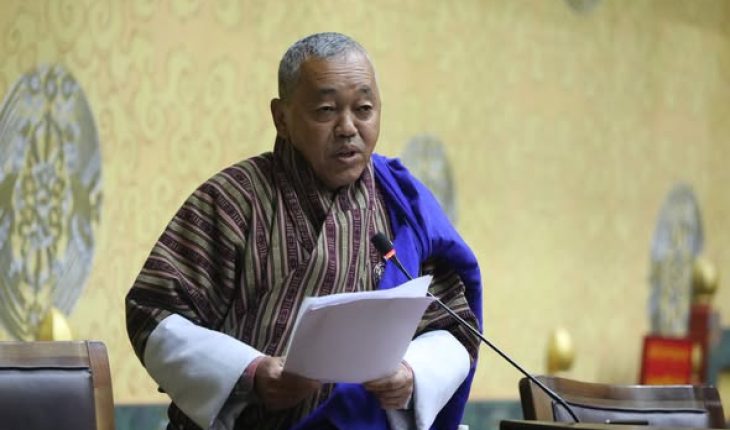
The Ministry of Energy & Natural Resources (MoENR) is drafting a National Human-Wildlife Casualty Relief and Accountability Framework aimed at supporting indiiduals who are injured or lose their lives due to wildlife attack vis, according to the Lyonpo Gem Tshering during the ongoing National Assembly Question Hour session held on 29 May.
The development comes three years after the enactment of a legal provision mandating compensation for victims of wildlife attacks, although no formal compensation mechanism has yet been established for families affected by such incidents.
Human wildlife conflict continues to remain a significant issue across the country, resulting in crop destruction, damage to property, livestock losses and, in some cases, human fatalities. In the latest incident, a 59-year-old man died on 26 May, after sustaining injuries in an elephant attack in Tashichhoeling, Samtse.
Communities in southern Bhutan continue to face recurring threats from elephants, while residents in northern regions grapple with attacks from tigers and other large predators that endanger livestock and human safety.
Shompangkha MP Dr Tek Bahadur Rai said the growing human-wildlife conflict has wider social and economic consequences, including agricultural land being abandoned and an increase in gungtong, or empty households.
The MP questioned whether the MoENR has taken any steps to implement compensation measures as required under the Forest and Nature Conservation Act 2023.
Section 119 of the Act states that the government shall institutionalise appropriate measures, including compensation, to address loss of life, permanent disability, and damage to crops, livestock and property caused by wildlife.
At present, affected families receive semso, a traditional gesture of condolence, which is not recognised as an official government compensation entitlement. In response, the government is now working on a separate casualty relief and accountability framework.
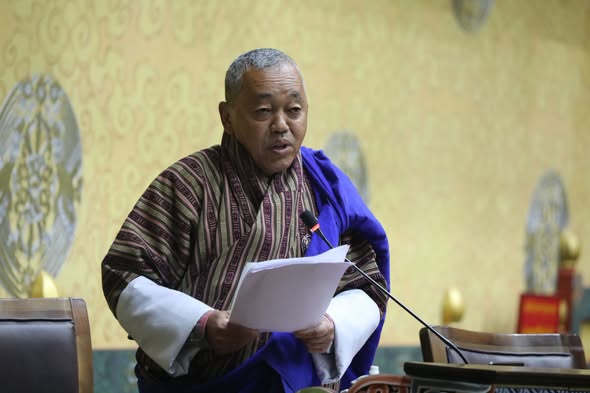
Lyonpo Gem Tshering said the ministry, in collaboration with relevant stakeholders, is exploring ways to support people affected by wildlife attacks.
“The ministry, in consultation with relevant stakeholders, is discussing ways to provide compensation to people who lose their lives due to human wildlife conflict. We are currently working on a National Human Wildlife Casualty Relief and Accountability Framework. At present, we have no mechanism in place, but we are aware of the challenges particularly elephant attacks in the south and attacks by tigers and other big cats in the north. Beyond the existing semso support, the government has not yet established a separate compensation mechanism for such cases,” Lyonpo Gem Tshering said.
The minister also highlighted existing measures introduced by the government to reduce human-wildlife conflict. He said the National Crop and Livestock Insurance scheme, launched last year with government support, covers crop and livestock losses caused by wildlife. Under the programme, the government subsidizes 50 percent of the insurance premium.
However, earlier reports indicated that awareness of the insurance scheme remains limited among farmers and rural communities.
In addition to insurance support, the government has also been providing chain-link fencing and solar electric fencing in vulnerable areas to help mitigate wildlife intrusions.
Meanwhile, the Opposition Leader Dasho Pema Chewang said the delay in implementing compensation measures reflects a failure to operationalise provisions already included in the law, despite communities continuing to suffer from repeated losses caused by wildlife.
In recent reports indicate that farmers across the country lose an estimated 8,250 metric tonnes of crops annually to wildlife, amounting to approximately Nu 171 million in damages. Wildlife attacks also result in the deaths of hundreds of livestock each year and occasionally claim human lives.
The opposition leader also questioned why the compensation provisions under the Act had yet to be implemented three years after its adoption.
“The Act was enacted in 2023, and it is now 2026, three years later. The rules should already have been implemented. This suggests that the government has not yet taken sufficient action. Earlier, the minister mentioned that consultations and discussions are ongoing with relevant ministries and departments, and that the framework is still being developed. If that is the case, when will it be completed, and when can it be put into practice?” the opposition leader said.
Responding to the concerns, Minister Gem Tshering said the delay was partly linked to institutional restructuring within the government.
He explained that the Department of Forests and Park Services was previously under the Ministry of Agriculture and Livestock but was later transferred to the Ministry of Energy and Natural Resources following the government’s transformation process.
The proposed National Human-Wildlife Casualty Relief and Accountability Framework is expected to address longstanding concerns of communities affected by wildlife attacks. As incidents continue to impact crops, livestock and human lives across different parts of the country, the framework is anticipated to provide a formal mechanism for relief and accountability.