RENUKA RAI | Thimphu
Bhutan is taking steps to modernise its museum sector while strengthening the preservation of its cultural heritage through the development of a unified national guideline for museums and heritage galleries. The initiative, led by the Department of Culture and Dzongkha Development (DCDD), aims to establish standardised rules for how museums are planned, approved, and managed across the country. The move is part of broader efforts to upgrade cultural institutions while ensuring they remain rooted in Bhutan’s traditions, values, and identity.
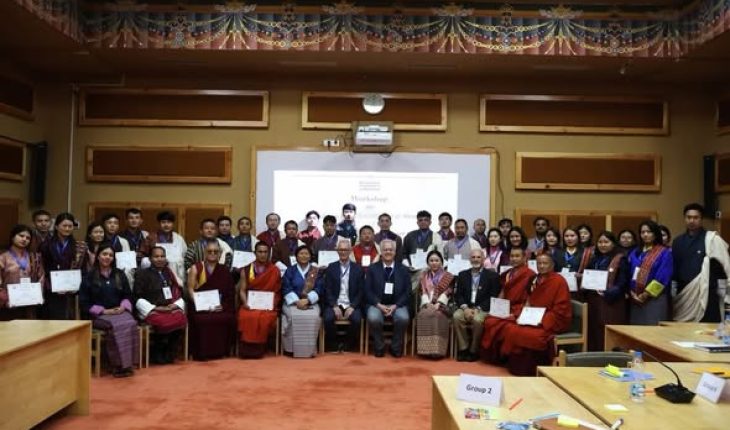
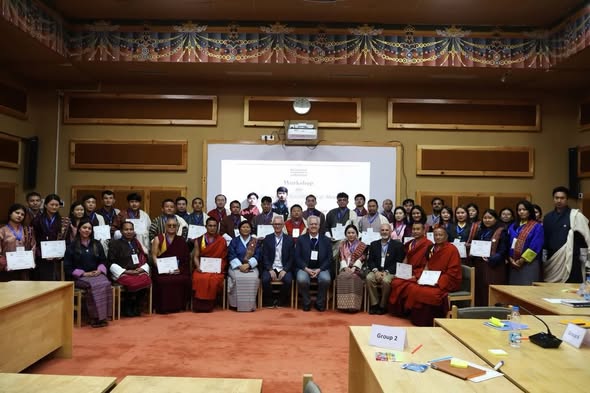
A two-day national workshop brought together museum professionals, architects, cultural practitioners, government representatives, and development partners to review and discuss the draft guidelines. Participants examined key areas including institutional standards, governance, accessibility, visitor engagement, collection management, and the long-term sustainability of museum operations.
The proposed “Guidelines for the Establishment of Museums and Heritage Galleries” are expected to provide a structured framework for both public and private institutions. They will define operational standards, improve quality control, and ensure consistency in how Bhutan’s cultural narratives are presented to the public.
Museums in Bhutan are increasingly viewed as dynamic institutions that contribute to education, tourism, research, and cultural awareness rather than simply serving as storage spaces for historical artefacts. The new framework seeks to reflect this evolving role while maintaining strong safeguards for heritage preservation.
Rinchen Namgay, an assistant conservator with museum division under the DCDD said “the primary objective is to ensure that future museums and heritage galleries adhere to a consistent national standard. The guidelines are expected to strengthen curation practices, improve documentation and conservation systems, and enhance the interpretation and presentation of cultural materials.”
“We are working to ensure that museums developed in the future follow a common standard that reflects Bhutan’s cultural identity while also meeting professional requirements,” he said.
Experts attending the workshop emphasised the importance of preserving Bhutan’s cultural heritage amid rapid social and economic change. They noted that development and modernisation should go hand in hand with efforts to protect both tangible heritages, such as artefacts and historic structures, and intangible heritage, including traditions, customs, and cultural knowledge.
The guidelines are also expected to support Bhutan’s growing cultural tourism sector. Officials believe that better-organised and professionally managed museums can provide richer experiences for visitors, helping them gain a deeper understanding of Bhutan’s history, culture, and identity. Improved interpretation and presentation of collections could further strengthen museums as educational and tourism assets.
In addition to preservation and public engagement, the framework introduces modern management approaches aimed at improving institutional sustainability. These include exploring revenue-generating opportunities through admission fees, educational programmes, exhibitions, cultural events, museum shops, and other activities that can support operational costs while expanding public outreach.
During the workshop, one facilitator highlighted the broader value of Bhutan’s museum collections. Referring to views expressed by Michael Brand, PhD, a board member of Creative Australia, he said “Bhutan possesses rich cultural collections that play a vital role in preserving national identity. At the same time, these collections can create economic opportunities when managed effectively. Activities such as special exhibitions, lecture series, art classes, and retail initiatives can generate income for museums while also benefiting local communities, encouraging cultural tourism, and contributing to the wider economy.”
The initiative is closely linked to ongoing heritage projects, including the Drinchengang Heritage Cultural Centre, where planners hope to incorporate the standards and best practices emerging from the new guidelines.
“One of the key takeaways for me is the importance of incorporating the best practices and policies that will be established through this initiative into the Drinchengang Heritage Cultural Centre that we are creating in Drinchengang,” said Richard Streitz, Deputy Executive Director of the DRV Project.
Following the workshop, the museum division will revise and refine the draft document before submitting it for formal approval. Officials said implementation will take place in phases to allow institutions sufficient time to adapt to the new requirements and standards.
Once adopted, the guidelines are expected to represent a major milestone in the development of Bhutan’s museum sector. By establishing clear standards and strengthening professional practices, the framework aims to ensure that museums and heritage galleries remain relevant, sustainable, educational, and deeply connected to Bhutan’s cultural identity for future generations.