RENUKA RAI | Thimphu
Two projects aimed at preserving Bhutan’s traditional art and Buddhist heritage have received a combined USD 32,500 in grants from the Rubin Museum of Himalayan Art in the United States.
The grants will support the documentation of Bhutanese appliqué thangka-making, a traditional textile art, and research into some of the country’s oldest surviving Buddhist wall paintings above Taktsang Monastery, commonly known as Tiger’s Nest.
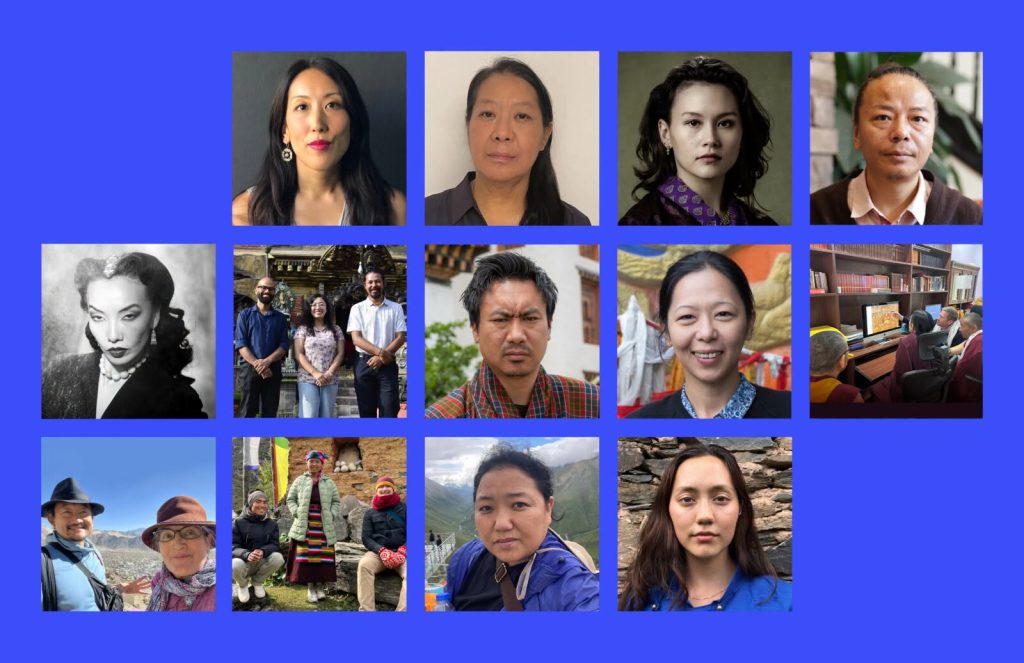
The two projects are among 13 art and research initiatives awarded a total of USD 194,680 under the museum’s 2026 Rubin Grants programme. The programme supports artists and researchers working to preserve artistic traditions, create new work and expand public access to knowledge about Himalayan art and cultures.
Peldon Tshering received USD 10,000 for a project titled Creating and Documenting an Appliqué Thangka in Bhutan, while Karma Yeshey received USD 22,500 for research titled Documenting and Investigating the Earliest Surviving Buddhist Wall Paintings in Bhutan.
Tshering’s project will document the creation of an appliqué thangka depicting Avalokitesvara under the guidance of master artist Lopen Wangchuk, whom the museum describes as one of the last living practitioners of this vanishing textile tradition.
The project will record each stage of the artwork’s creation through photographs and film. It will also document the reasoning behind the artistic choices made during the process, with the aim of preserving both the practical techniques and the knowledge associated with the craft.
The project plans to produce the first publicly accessible instructional manual and digital archive dedicated to Bhutanese appliqué thangka-making.
According to the museum, the initiative will help safeguard endangered techniques while making the knowledge available to a new generation of artists. It also aims to open a craft traditionally closed to women to more female practitioners.
The documentation is expected to provide a resource for people interested in learning about the art form and understanding how such works are created. However, the grant announcement does not specify when the manual and digital archive will be completed or how the project will train new practitioners.
The second Bhutanese project will focus on Buddhist wall paintings located above Taktsang Monastery, one of the country’s best-known religious sites.
Led by Karma Yeshey, the research will bring together art-historical investigation and scientific study to document the paintings and improve understanding of their historical and artistic significance.
The project aims to provide the first integrated art-historical and scientific study of the paintings. Its findings are intended to inform future conservation efforts and contribute to wider research on artistic transmission, pilgrimage landscapes and Buddhist visual culture across the Himalayan region.
The team will produce publicly accessible documentation, including two-dimensional and three-dimensional photography. Educational lectures are also planned at venues in Bhutan, Denmark and the United Kingdom.
The study is expected to add to the documentation available on Bhutan’s Buddhist artistic heritage and provide material that can support further research. The announcement, however, does not provide details about the present condition of the paintings, the specific conservation challenges they face or the timeline for the research.
Both projects focus on documenting artistic knowledge and cultural heritage so that the material can be studied and accessed beyond the immediate work of individual artists and researchers.
The funding comes as part of the Rubin Museum’s wider effort to support the preservation and study of Himalayan art and living cultural traditions. Since launching the annual grants programme in 2024, the museum has supported 45 projects.
For the 2026 cycle, the museum received 250 letters of inquiry and selected 13 projects, with individual grants ranging from USD 3,000 to USD 25,000.
Tibetan art and culture feature prominently in this year’s selection. The supported projects include bringing the Tibet Film Festival to the United States for the first time, supporting contemporary Tibetan artists working in visual art, music and performance, and researching 14th-century murals in Tibet.
Other projects will document historic architecture and endangered artistic elements in Leh, Ladakh, India, record traditional manuscript-making in Nepal’s Kathmandu Valley, and preserve stone-carving traditions in Nepal’s remote Tsum Valley