TIL BDR GHALLEY | Samtse
About one-fifth of the distinctive vocabulary and expressions his grandparents used may have been lost, according to Namgay Lhop, 47, who worries the Lhop community’s mother tongue is gradually losing parts of its linguistic heritage.
Children in Ngwang Dramtoe, Tading Gewog, Samtse, continue to speak Lhop Kha at home and in the village. But Namgay believes the language spoken today no longer carries the full range of words and expressions remembered by older generations.
His estimate is based on personal observation rather than a formal linguistic assessment. Yet it raises an important question for the community: can a language remain part of everyday life while gradually losing the richness of expression passed down by its elders?
The concern comes as life in the village changes. Improved living standards, wider access to education and employment opportunities beyond the community have opened new possibilities for younger generations. Migration has also taken some young people away from village life, potentially reducing the time they spend with elders and their opportunities to learn the language and customs through daily interaction.
For residents, the challenge is not to resist progress but to ensure that the modernisation does not come at the expense of the mother tongue and the cultural knowledge carried through it.
Mendu Lhop 45 considers the changes in the community’s access to education a major achievement. Children are now enrolled in school and encouraged to learn Dzongkha and English, equipping them with skills to pursue further education and employment.
“Education has improved tremendously, and every child is now enrolled in school. They are encouraged to learn English and Dzongkha, but the time they have to learn our own language is limited,” he said.
For 19-year-old Khandu Lhop, speaking the mother tongue remains part of everyday life, even as school and modern life expose her to other languages.
“Although I study in an environment where I speak English and Dzongkha, I still speak my mother tongue at home and with my Lhop friends. But we cannot speak it the way our parents and grandparents do I believe,” she said.
Her observation points to a distinction between keeping a language alive in conversation and preserving its full range of vocabulary and expressions. Young people may continue speaking Lhop Kha while becoming less familiar with the ways their parents and grandparents express themselves.
The concern is particularly significant because Lhop Kha is traditionally transmitted orally, rather than through a widely used written form. Its vocabulary, expressions and cultural meanings depend heavily on people speaking, listening and learning from one another. Stories, family conversations and participation in village life can pass on knowledge that may otherwise remain undocumented.
When opportunities for these exchanges diminish, parts of that knowledge can become harder to recover. Preserving the language, therefore, involves more than ensuring that children can communicate with their families. It also means giving them opportunities to learn the expressions, stories and meanings that older generations carry.
For Sonam Doya, 38, the implications extend beyond language. Migration and changing lifestyles, she believes, have placed lhop culture at a crossroads, with fewer young people available to learn directly from their elders.
“Our culture is at a crossroads. Young people are leaving the village, and they have fewer opportunities to learn our traditions directly from their elders,” she said.
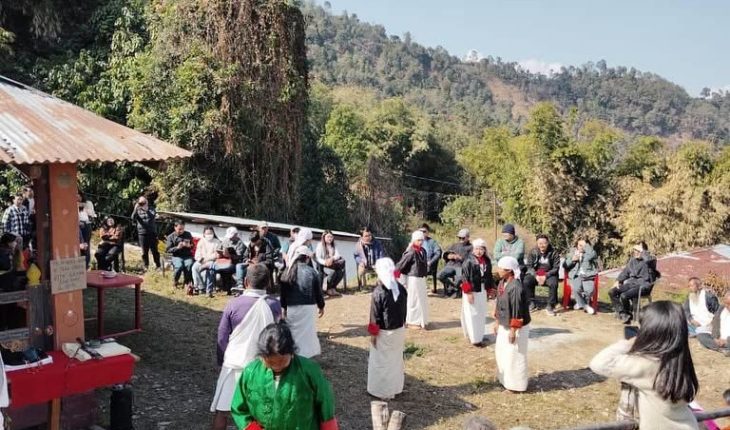
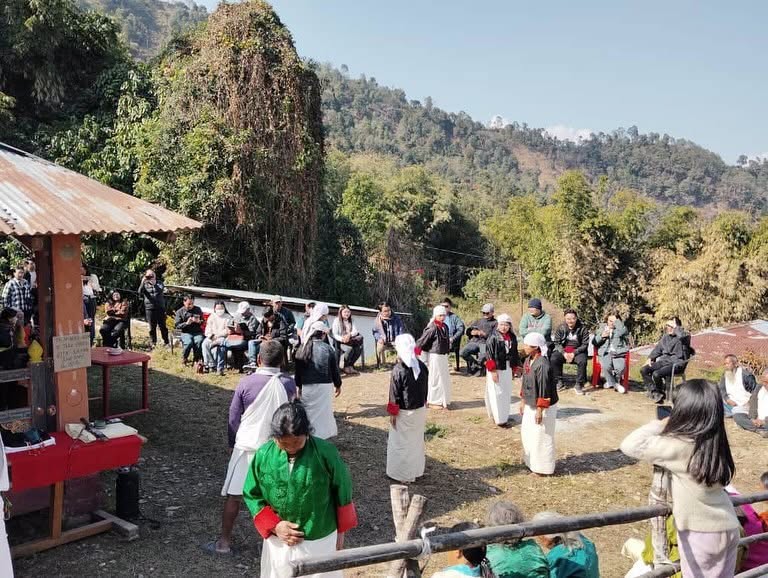
She is particularly concerned about marriage ceremonies and funerals, where customs are often learned through observation and participation rather than written instructions.
Such practices can involve customary responsibilities, specific expressions and procedures that elders have learned over decades. Younger family members traditionally acquire this knowledge by watching, listening, and taking part.
When they live away from the village, opportunities to learn these practices can become less frequent. The customs may continue, but younger people may find it harder to understand their details or carry them forward independently.
Sonam fears that the community could face difficulties maintaining these traditions when older family members are no longer available to guide the younger generation.
“When our grandparents are gone, who will teach the younger generation the traditions and customs they have carried for years?” she said.
Her concern highlights the vulnerability of knowledge held mainly in people’s memories. The details of a traditional ceremony, the expressions used on particular occasions, and the responsibilities carried by family members may never have been formally documented.
Language is closely connected to this inheritance. Expressions used during ceremonies can carry meanings that are difficult to convey fully in another language. As younger generations become less familiar with those expressions, they may also find it harder to understand the cultural practices associated with them.
Another female Lhop Penday Zam 26, said young people could help preserve this heritage by recording interviews with elders, transcribing stories, and creating audio or video archives. Such efforts could allow younger generations to hear older speakers directly and help preserve linguistic and cultural knowledge for the future.
Community storytelling sessions and intergenerational gatherings could also encourage children to use Lhop Kha and learn traditional practices from older speakers.
These efforts need not compete with modernisation or discourage young people from pursuing opportunities elsewhere. Instead, they could help maintain connections between younger residents and their cultural heritage, wherever their futures take them.
“Development is important because we want our children to have better opportunities and a better life. But as we move forward, we must also make sure they do not lose their mother tongue and the traditions that connect us to our parents and grandparents,” Mendu Lhop said.
Lhop Kha remains closely associated with the Lhop community, with its use concentrated among its own people. This makes its preservation particularly important. As development and modernisation reshape village life, the language’s distinctive vocabulary, expressions and cultural knowledge may be vulnerable if they are not passed down to younger generations.
The future of their dialects will depend in part on whether younger generations have opportunities to learn not only how to speak it, but also the stories, customs and collective memory carried through it.