𝙏𝙝𝙧𝙚𝙚 𝙞𝙣𝙞𝙩𝙞𝙖𝙩𝙞𝙫𝙚𝙨 𝙖𝙞𝙢 𝙩𝙤 𝙨𝙩𝙧𝙚𝙣𝙜𝙩𝙝𝙚𝙣 𝙙𝙞𝙜𝙞𝙩𝙖𝙡 𝙨𝙠𝙞𝙡𝙡𝙨, 𝙚𝙣𝙘𝙤𝙪𝙧𝙖𝙜𝙚 𝙧𝙚𝙨𝙥𝙤𝙣𝙨𝙞𝙗𝙡𝙚 𝘼𝙄 𝙖𝙙𝙤𝙥𝙩𝙞𝙤𝙣 𝙖𝙣𝙙 𝙞𝙢𝙥𝙧𝙤𝙫𝙚 𝙩𝙝𝙚 𝙙𝙚𝙡𝙞𝙫𝙚𝙧𝙮 𝙤𝙛 𝙞𝙣𝙛𝙧𝙖𝙨𝙩𝙧𝙪𝙘𝙩𝙪𝙧𝙚 𝙥𝙧𝙤𝙟𝙚𝙘𝙩𝙨.
TIL BDR GHALLEY | Thimphu
As governments worldwide explore how artificial intelligence can improve efficiency and decision-making, Bhutan is strengthening its civil service for the changing demands of public administration.
The Royal Civil Service Commission (RCSC) and the Royal Institute of Management (RIM) have introduced three initiatives: the Digital Skills Academy, the Civil Service AI Learning Hub and the Construction Management Programme. The initiatives aim to strengthen digital capabilities, promote the responsible use of artificial intelligence (AI) and improve the management of public infrastructure projects.
Together, they are intended to support the government’s digital transformation agenda while building the professional capacity required to deliver infrastructure projects efficiently, transparently and accountably.
RIM Director General Tshering Yangden said the initiatives were designed to enhance civil servants’ capabilities and productivity while supporting the government’s efforts to transform public services through technology.
The Digital Skills Academy has been established by repurposing RIM’s Department of Information Technology, in collaboration with GovTech and the RCSC. It will focus initially on five areas: digital literacy, artificial intelligence, data, digital governance and cybersecurity.
The academy will offer training at four levels: foundation, practitioner, specialist, and leadership and strategic. The courses are intended to accommodate different levels of experience and responsibility within the civil service, from employees developing basic digital competencies to senior officials responsible for strategic decisions.
Kuenga Yangki, the Digital Skills Academy’s focal person, said training would be rolled out in phases under a five-year implementation plan, with the first programmes expected to begin in March 2027.
The foundation level will introduce participants to essential digital concepts and tools, while advanced courses will focus on applying technology to workplace responsibilities. Training will be tailored to professional functions, including finance, administration and human resource management.
The academy will also introduce stackable credentials to recognise participants’ learning and professional progress, allowing them to build their competencies through successive training programmes.
Beyond formal training, the academy will operate through four key functions: professional learning and credentials, a Digital Innovation Lab, digital advisory and transformation, and digital research and insights.
These functions are intended to extend the academy’s role beyond classroom instruction by supporting innovation, advising organisations on technology adoption and generating evidence to guide digital transformation.
The academy will help civil servants use data and AI tools for analysis and evidence-based decision-making, strengthen awareness of cybersecurity and ethical AI use, and equip officials to make informed decisions about technology adoption.
By working with GovTech and industry partners, it also aims to build a learning ecosystem that supports the integration of AI into everyday public service operations.
Alongside the academy, the RCSC has launched the Civil Service AI Learning Hub in collaboration with InnovateUS.
Accessible through the RCSC website, the hub provides a dedicated online platform through which civil servants can access AI courses hosted on the InnovateUS platform. Participants can undertake the training at their own pace, whether at home or in the office.
The initiative seeks to broaden access to AI education while promoting the responsible use of the technology in the public sector.
As AI tools become increasingly available in professional settings, civil servants need to understand how to apply them effectively while recognising the importance of ethical use, cybersecurity and informed human judgement.
The launch featured presentations by the top three Administrative Service Officers from the 2026 cohort, who showcased AI projects they had developed. The officers are also scheduled to undergo two days of training on agentic AI, conducted by experts from Tata Consultancy Services.
The presentation by Kuenga Norbu, Assistant Human Resource Officer at the RCSC, introduced HR ONE, a system designed to notify human resource officers of directives and notifications issued by higher authorities.
Dechen Wangmo, Assistant Labour Officer in Trongsa, presented AI for Inclusive Labour Grievance Redressal, which aims to make it easier for civil servants to raise and resolve workplace grievances.
Kunzang Wangmo, Assistant Trade Officer in Sarpang, presented a system to improve business license renewal compliance by automatically notifying business owners of upcoming license expiry dates and renewal.
Agentic AI refers to systems capable of carrying out tasks towards specified goals with varying degrees of autonomy. Understanding these emerging technologies could help civil servants assess their potential applications and limitations in government operations.
The AI Learning Hub complements the Digital Skills Academy by providing a more accessible route for civil servants to develop their AI knowledge, while the academy offers structured training across a broader range of digital disciplines.
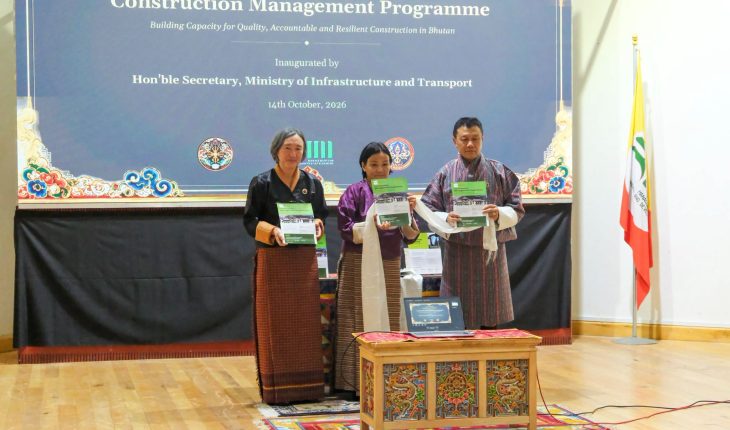
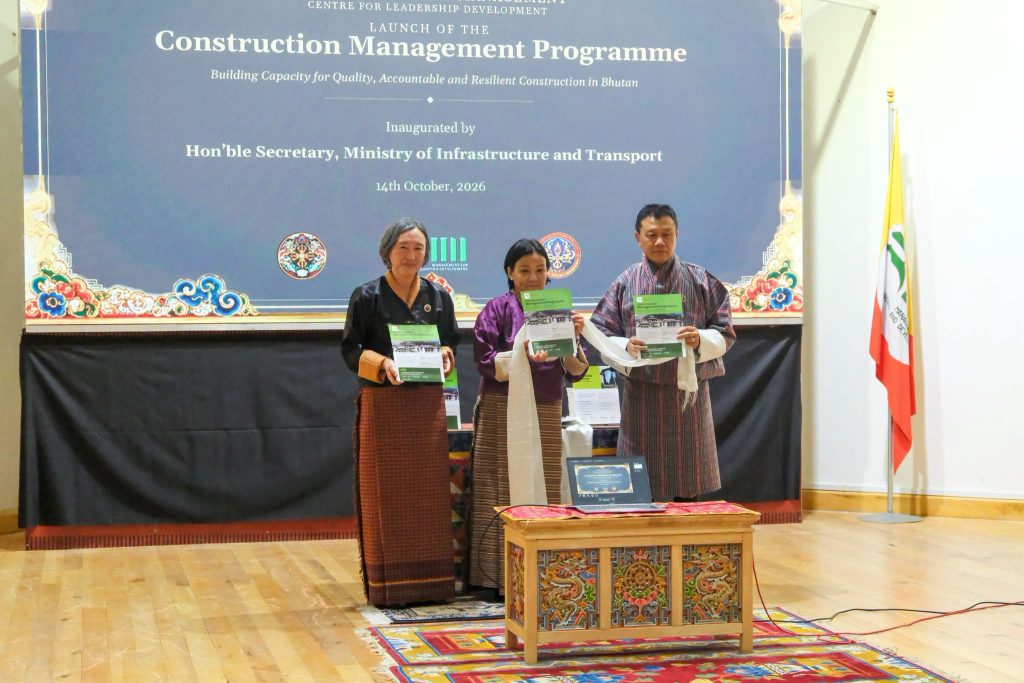
The third initiative, the Construction Management Programme, has been launched by RIM in collaboration with the Ministry of Infrastructure and Transport (MoIT) to strengthen the management and delivery of construction projects.
The programme is designed for engineers and non-engineers involved in construction, including site supervisors, and aims to build the capacity of government agencies, dzongkhags and thromdes to implement capital works under the Five-Year Plans. It also seeks to support better project management across the public and private sectors.
Dorji Pem, focal person for Construction Management, said the initial training would focus on the practical application of Construction Manager software developed by MoIT’s Department of Infrastructure Development. Resource persons from the ministry will deliver the training.
Participants will learn to use the software in day-to-day project management, including tracking progress, monitoring costs and keeping construction schedules on course.
The software is intended to improve efficiency, transparency and accountability by enabling project stakeholders to monitor implementation more systematically. The training will also equip participants with core skills to plan, manage and oversee construction projects through to completion.
Effective construction management is critical to ensuring that public infrastructure is delivered according to planned schedules and budgets while meeting required standards. Stronger monitoring systems can also help project managers identify delays, track expenditure and improve oversight during implementation.
Tshering Yangden said the programme was intended to strengthen infrastructure quality and promote safe, accountable construction practices.
She said the objective was to ensure that infrastructure development in Bhutan was safe, met quality standards and was managed accountably.
The three initiatives align with the RCSC Strategic Roadmap 2025–2035, which envisions an innovative, agile, adaptive and technologically fluent civil service.
While the Digital Skills Academy and AI Learning Hub focus on building digital competencies and encouraging responsible AI adoption, the Construction Management Programme addresses the practical skills needed to improve infrastructure delivery.
The programmes are open to civil and public servants as well as private-sector employees seeking to strengthen their professional capabilities.
By investing in both people and technology, the initiatives seek to strengthen the capacity of the workforce to respond to changing demands and support the delivery of more efficient, transparent, and accountable public services in Bhutan.