DAWA ZANGMO | Thimphu
Thousands of residents in Thimphu face challenges accessing essential care services, with many children, older people and persons with disabilities living beyond convenient walking distances from facilities, according to a newly launched care map.
The findings show that more than 3,600 children below the age of five live over a 10-minute walk from childcare centres, while 2,777 older people need to travel more than 30 minutes to reach care facilities.
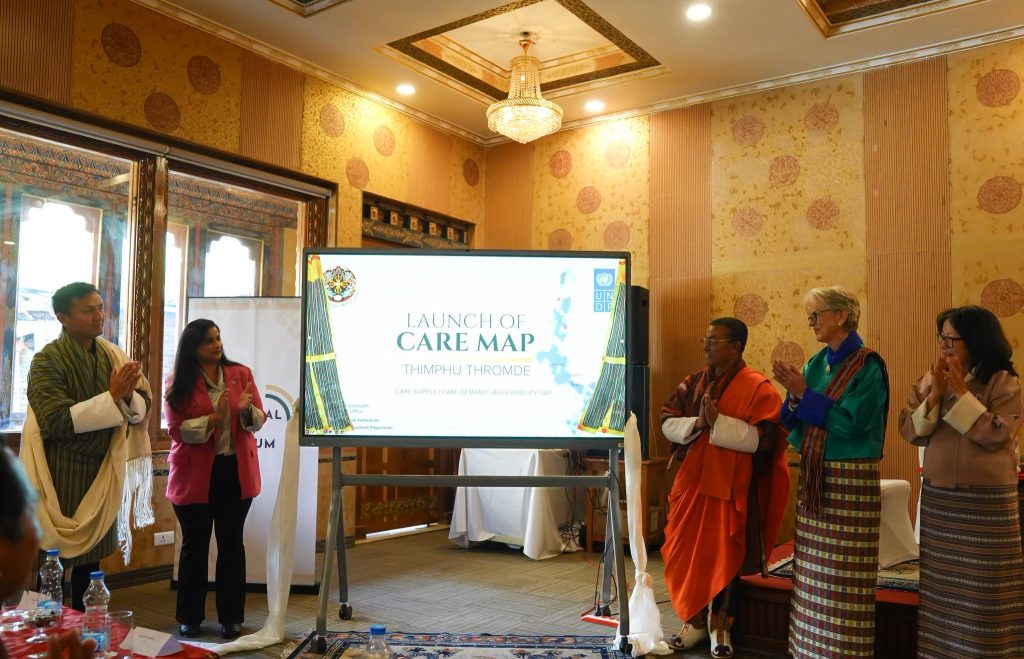
Launched on November 11, 2026, the care map also found that approximately 979 persons with disabilities live more than 30 minutes away from disability services when travelling along step-free walking routes.
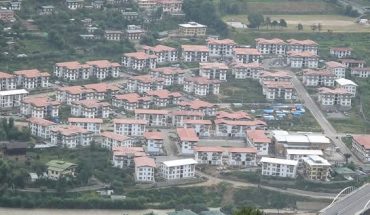
The assessment identified Lungtenphu, Simtokha, HejoSamtenling and Babesa as areas with a considerable concentration of people requiring care services. Collectively, the four areas are home to 39 percent of Thimphu’s children under five and 34 percent each of its older population and persons with disabilities.
The findings indicate that access to care depends not only on the number of facilities available but also on their geographical distribution, physical accessibility and operating schedules.
Thimphu has 73 care service facilities with a combined capacity of 4,296 places. However, the assessment found that existing services do not adequately address the needs of everyone, particularly those living farther away from care centres.
Of the 58 childcare centres that provided information about their operating schedules, most function between 8:30am and 5:30pm. None of the centres reported opening on weekends, while only eight provide childcare services for children below two years of age.
The limited operating hours and availability of facilities for younger children present additional challenges for families requiring childcare support outside regular working hours.
To improve the situation, the care map recommends expanding the number of childcare places, increasing facilities that accept children under two and extending the operating hours of existing centres. It also proposes setting up shared care facilities in HejoSamtenling and Simtokha to serve communities where demand for care services is significant.
Improving infrastructure for persons with disabilities is another key recommendation. The map highlights the need for ramps, accessible toilets and step-free entrances and pathways to ensure that people with disabilities can reach and use care facilities.
The assessment also draws attention to care responsibilities that take place outside formal institutions, particularly within households and communities.
Care encompasses looking after children, providing assistance to older people and supporting persons with disabilities. It also includes routine domestic responsibilities such as cooking, cleaning and attending to the needs of family members.
Much of this work is unpaid and is carried out mainly by women, often alongside other personal and professional responsibilities.
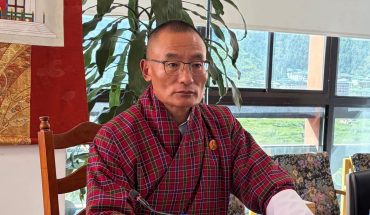
Finance Minister Lekey Dorji during the launch said Bhutan’s free healthcare and education services demonstrate the country’s commitment to looking after its people.
He said the meaning of care should not be restricted to government-provided services but should also recognise the responsibilities individuals and families undertake to support one another.
The minister highlighted the importance of acknowledging unpaid care work, which contributes to the well-being of families and communities but often receives limited recognition.
In Bhutan, women and girls spend approximately 2.5 times more time on unpaid care activities than men. This unequal sharing of household and caregiving responsibilities affects women’s ability to participate in the workforce, access employment opportunities and earn an income.
The findings point to the relationship between the availability of formal care services and the responsibilities shouldered by families. When facilities are difficult to reach or do not operate at convenient times, households continue to depend on family members to provide care.
The unequal distribution of these responsibilities also has implications for women’s economic participation, particularly when they have to balance unpaid household duties with opportunities for paid employment.
The care map was jointly developed by the Department of Human Settlement, Thimphu Thromde and the United Nations Development Programme (UNDP) to support urban planning and improve access to care services.
The mapping exercise provides information on the location of existing care facilities, their service capacity and the accessibility of services for different groups of people. It is intended to help government agencies identify areas where services are insufficient and determine where additional facilities or improvements are necessary.
Through the findings, planners can assess the distance people need to travel to access care, identify underserved neighbourhoods and evaluate whether existing infrastructure meets the requirements of different users.
The tool is also expected to guide decisions on expanding current facilities and establishing new services in areas with limited access.
By identifying gaps in the distribution and accessibility of care services, the care map will support future planning for childcare, older people and persons with disabilities across Thimphu.
The findings provide a basis for government agencies and urban planners to consider the location, capacity and accessibility of care facilities when planning future services, while also recognising the contribution of unpaid care work within households and communities.