NGAWANG JAMPHEL | Thimphu
Bhutan is aiming to generate 25,000 megawatts (MW) of electricity by 2040 as part of a long-term strategy to strengthen energy security, support economic growth, and reduce the risks associated with climate change and seasonal power shortages.
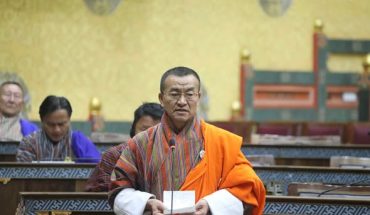
The target, announced by the Minister for Energy and Natural Resources Gem Tshering, during the National Assembly’s question-and-answer session on 29 May, includes 20,000 MW from hydropower and 5,000 MW from solar energy.
The announcement comes as the government moves ahead with preparatory work for several major energy projects, including the 404 MW Nyera Amari I and II Integrated Hydropower Project in Samdrup Jongkhar, which has been identified as one of the priority projects under the 13th Five-Year Plan (2024–2029).
Lyonpo Gem Tshering said the country’s future energy strategy would focus not only on expanding hydropower generation but also on diversifying energy sources through large-scale solar development.
“The Ministry aims to build 25,000 megawatts of power by 2040, including 20,000 megawatts from hydropower and 5,000 megawatts from solar energy projects,” the minister said.
Hydropower has long been the backbone of Bhutan’s economy, contributing significantly to export earnings and government revenue. Electricity exports remain one of the country’s largest sources of foreign exchange, helping finance national development programmes and public services.
However, changing weather patterns and increasing domestic electricity demand have highlighted challenges within the country’s existing energy system.
Most of Bhutan’s hydropower plants are run-of-the-river projects, which depend on seasonal river flows. During winter, when river volumes decline, electricity generation drops while domestic demand increases. This often creates pressure on the power supply and reduces export capacity.
Lyonpo added that increasing hydropower generation while investing in solar energy will help create a more reliable and resilient energy system capable of meeting future demand throughout the year.
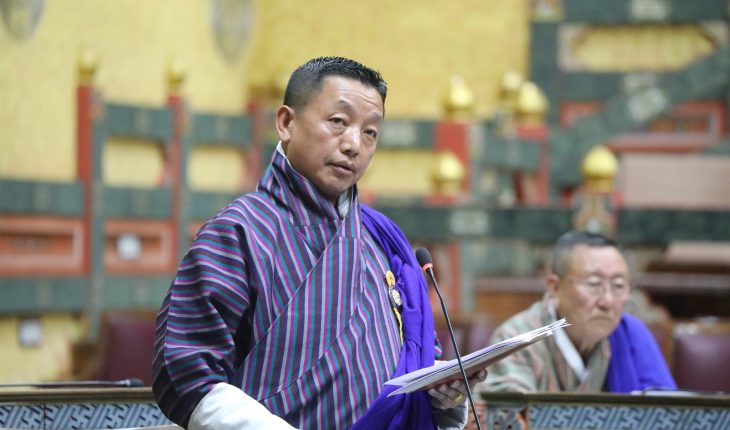
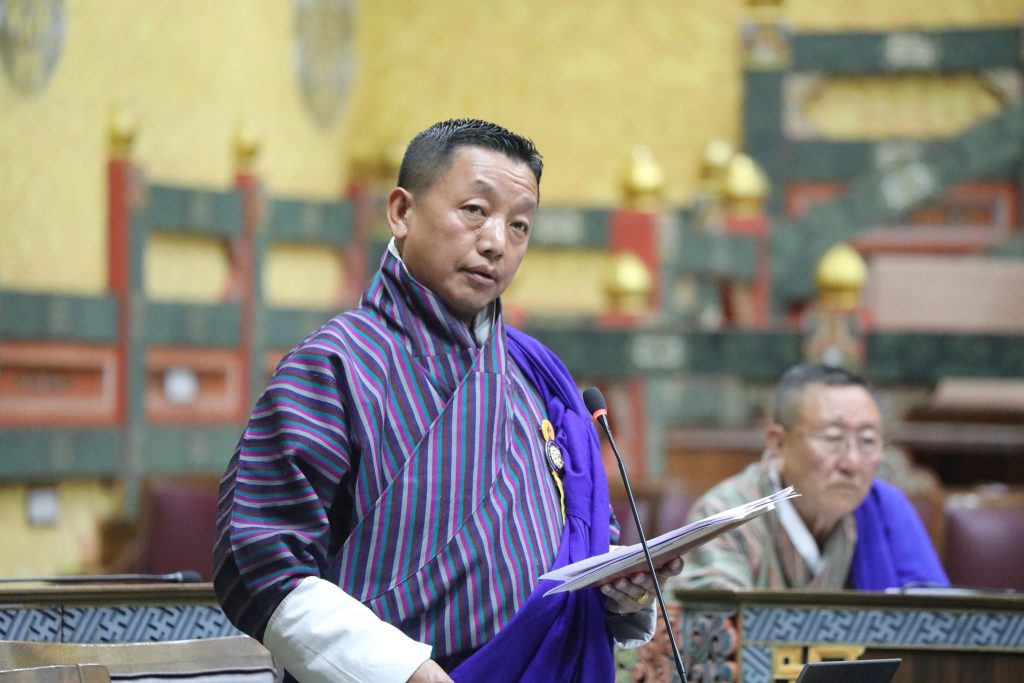
The government’s energy expansion plans were discussed in National Assembly after the MP from Dewathang-Gomdar , Tshering Penjor, sought clarification on the status of the Nyera Amari project.
The MP said that residents and stakeholders were keen to know about the progress of the project, including the status of feasibility studies, environmental assessments, geological investigations and expected construction timelines.
“In view of the strategic importance of the project and growing public concern, I would like to seek clarification on the current status of the project preparation activities and when the construction work is expected to begin,” he said.
Responding to the query, Lyonpo Gem Tshering informed the House that the government has already handed over the Nyera Ama Chhu project to Druk Green Power Corporation (DGPC) and Tata company for further development.
He said that work on the Detailed Project Report (DPR) has already started.
“The work for the Detailed Project Report has already started,” the minister said.
According to the minister, the DPR is a critical step in determining the technical, environmental and financial feasibility of the project.
The report will include detailed engineering studies, geological assessments, hydrological analysis, environmental impact evaluations and cost estimates. The findings will help determine the final project design, implementation schedule and financing requirements.
Lyonpo Gem Tshering clarified that it would not be possible to provide a definite construction timeline until the DPR process is completed.
“Only after the DPR is finalized will we know when the project can officially commence,” he said.
Hydropower experts say that extensive planning is essential before construction begins, particularly in a country like Bhutan where projects are built in mountainous terrain and environmentally sensitive areas.
Geological investigations help identify potential risks related to slope stability, rock formations and seismic activity, while environmental assessments evaluate possible impacts on local ecosystems and communities.
Such studies are often time-consuming but are considered necessary to ensure that projects are technically sound, environmentally responsible and financially viable.
The minister also informed Parliament that the government has secured support from the Asian Development Bank (ADB) for project preparation activities.
In Jan 2024, the Ministry of Finance secured a USD 5 million loan from the ADB to support preparatory work for priority hydropower projects. The funding was provided to DGPC to update project reports and strengthen technical documentation required for future financing and implementation.
Officials say support from international financial institutions remains important for large infrastructure projects, which require significant investment and long-term financing arrangements.
Apart from Nyera Amari, the government is also pursuing other hydropower initiatives, including the 180 MW Bunakha Reservoir Project in Chukha.
Unlike traditional run-of-the-river plants, reservoir-based projects allow water to be stored and released when needed, helping maintain electricity generation during periods of low river flow.
The government’s increasing focus on reservoir projects and solar energy reflects broader efforts to improve energy reliability and reduce vulnerabilities linked to climate variability.
According to energy officials, diversification will become increasingly important as Bhutan experiences changes in rainfall patterns, glacier melt and seasonal river flows.
At the same time, electricity demand is expected to rise steadily as the country pursues industrial development, expands digital infrastructure and promotes the use of electric vehicles.
The government’s 25,000 MW target is therefore seen not only as an energy goal but also as a key component of Bhutan’s long-term economic strategy.
Higher electricity generation would enable the country to meet growing domestic demand while continuing to export power to regional markets. Increased exports would generate additional revenue and strengthen Bhutan’s economic resilience.
While major projects such as Nyera Amari remain in the planning stage, Lyonpo Gem Tshering said the start of the DPR process represents an important milestone.
For now, the focus remains on completing the necessary studies, securing financing and ensuring that projects are developed in a sustainable and economically viable manner.