DAWA ZANGMO | Thimphu
Residents of Khalong village under Narang Gewog in Mongar Dzongkhag are anticipating improved agricultural security and strengthened livelihoods following the installation of an extensive chain link fencing system aimed at protecting farmland from wild animal intrusion.
Located in a remote part of eastern Bhutan, Khalong is widely known among locals as an important agricultural area where households depend primarily on crop cultivation and vegetable farming as their main source of income.
Farmers grow a variety of crops and vegetables throughout the year, making agriculture the backbone of the community’s economy.
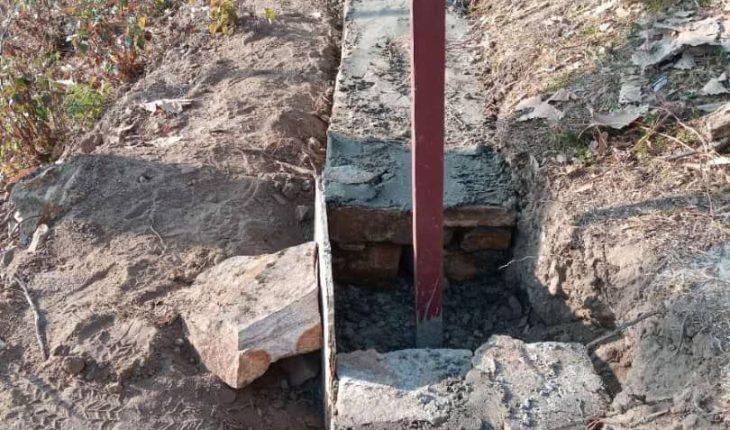
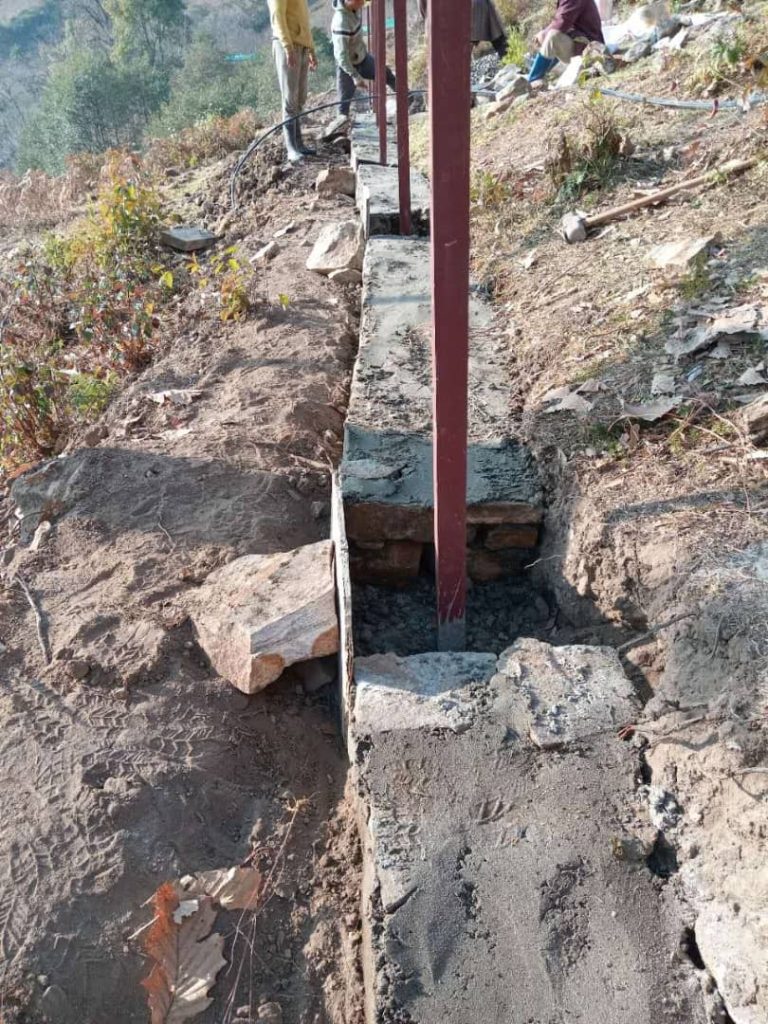
To address longstanding challenges faced by farmers, chain link fencing is currently being installed across 44 community areas, covering approximately seven kilometres.
The initiative is supported by the Department of Agriculture to safeguard farmland and improve agricultural productivity.
Khalong Tshogpa Tshewang Lhendup said the fencing project was initiated mainly to reduce damage caused by wild animals, which has significantly affected farming activities and household livelihoods for many years.
“Our community is located far from the gewog centre, and this isolation has made agriculture more vulnerable to wildlife attacks,” Tshewang Lhendup said. “Wild animals such as wild boars and deer frequently enter our fields and destroy crops.”
He explained that farmers previously had to remain in their fields for extended periods to protect crops, often staying outside their homes for five to six months during the farming season.
“Nearly 50 percent of our cash crops were lost due to wildlife damage,” he said. “With the support from the Department of Agriculture, we expect the new chain link fencing to provide stronger protection for our farmland.”
According to the Tshogpa, managing land boundaries and protecting community agricultural areas had been difficult before the project began. Encroachment by animals and unclear boundaries created continuous challenges for farmers.
“Before the fencing project, it was difficult to manage boundary issues and safeguard community land,” he said. “With the ongoing installation, we expect improved safety, clearer land demarcation, and long-term benefits for community development.”
He added that community members expect the fencing infrastructure to remain effective for at least 20 to 30 years, contributing to sustained agricultural growth and stability.
Local farmers have also expressed optimism about the expected outcomes of the project.
Tashi Wangmo, 43, said crop damage and security concerns were common problems before the fencing work started.
“In the past, our crops and property were frequently damaged by stray animals, and safety was always a concern for our community,” she said. “With the ongoing fencing, we expect better protection, fewer losses, and a safer environment, especially for our vegetable cultivation.”
Farmers say vegetable farming is a key livelihood activity in Khalong, and improved protection is expected to encourage more consistent production.
Another resident, Nidup Lhamo, recalled the difficulties faced by farmers in earlier years when guarding crops against wildlife required constant effort and vigilance.
“In earlier times, it was very difficult to safeguard our livelihood from wild animals,” she said. “For example, when we cultivated potatoes, wild boars often destroyed the harvest.”
She added that the community now hopes the fencing will significantly reduce such losses. “After the chain link fencing is completed, we expect our crops and vegetables to be protected and to feel safer from wild animals,” Nidup Lhamo said.
Similarly, Tshering Wangchuk, 40 years old, said farmers have long struggled with livestock and wildlife entering agricultural land.
“Earlier, livestock and wild animals frequently entered our farmland, causing crop losses and creating additional work for farmers,” he said. “Once the chain link fencing is completed, we expect improved crop protection and more stable farming production.”
Residents believe the project will allow farmers to focus more on cultivation rather than spending months guarding fields. Community members say reduced crop loss could also improve household income and food security over time.
The fencing initiative reflects ongoing efforts to address human-wildlife conflict in rural farming communities, particularly in remote areas where agriculture remains the primary livelihood source.
While the installation work continues, villagers say the project represents a significant step toward strengthening agricultural sustainability and protecting community resources.
Farmers expect the fencing to reduce wildlife intrusion, clearly define land boundaries, and support long-term development within the village.
For Khalong residents, whose livelihoods depend on farming, the chain link fencing is viewed as an important investment aimed at ensuring safer agricultural practices and more reliable crop production for future generations.