An age-old tradition is on the verge of waning in Tsephu, Punakha
KINLEY KHANDU CHODEN | Thimphu
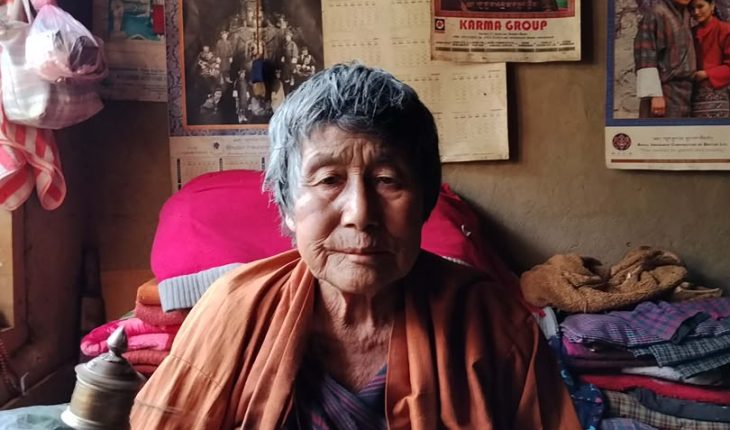
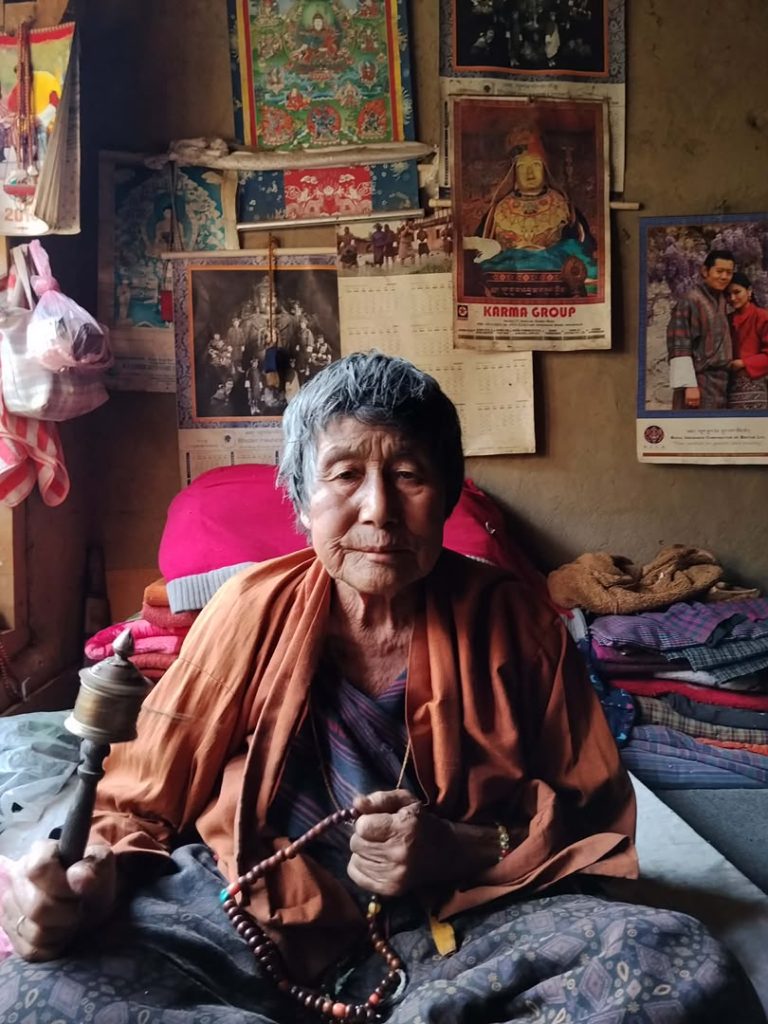
In the quiet village of Tsephu in Punakha, 74-year-old Tshering Pem remains the last known practitioner of an ancient spiritual tradition called Jamchoe, a sacred prayer ritual that has long connected communities through offerings, blessings, and collective wellbeing.
The word Jamchoe comes from two Bhutanese terms: “Jam,” meaning tea, and “Choe,” meaning offering and religious practice. Together, Jamchoe refers to a ritual of offering tea while reciting prayers for peace, protection, and prosperity.
For decades, the ritual has been an important part of annual village ceremonies. But today, Tshering Pem fears the tradition may disappear with her generation.
“I first learned Jamchoe when I was 17 years old,” Tshering Pem recalled. “My mother taught me during one of our annual rituals. When I turned 18, I started performing Jamchoe myself, and now I am 74 years old and still continue the practice.”
According to her, Jamchoe is not merely a religious recitation but a communal gathering rooted in gratitude and spiritual harmony. The ritual is performed once every year after annual prayers and traditional dances are completed.
“After we complete the annual ritual and the traditional dances, everyone gathers together for tea and performs Jamchoe,” she said. “We do it once a year to pray for the wellbeing and good health of our families, community members, animals, and the surrounding environment.”
Unlike many elaborate Buddhist rituals in Bhutan, Jamchoe is known for its simplicity. Participants do not use ritual instruments or ceremonial objects. Instead, a simple cup of tea placed before each participant becomes the central offering while prayers are recited.
“We simply keep a cup of tea in front of us, which is provided by the host, and recite the prayers,” Tshering Pem explained.
The ceremony concludes with tea offerings dedicated to local deities and protective gods. Tea is first offered respectfully to lamas, followed by officials, dancers, and guests according to traditional customs.
However, modernization and changing lifestyles are slowly eroding interest in the tradition.
“I feel that this tradition is slowly disappearing because young people are not interested in such practices anymore,” Tshering Pem said. “Their focus on school and modern lifestyles has distanced them from these traditions.”
Although she hopes the younger generation will continue the practice, she says few are willing to learn.
“Even though I want to preserve Jamchoe, it is difficult because the younger generation does not show interest, and I cannot force them to learn,” she said. “If they wanted to, they could learn easily because they are educated.”
Today, Tshering Pem stands as the only person in her village who still performs Jamchoe. Despite her age, ritual hosts continue to invite her to lead the prayers during annual ceremonies.
Her story reflects a broader challenge facing many traditional practices across Bhutan — preserving intangible cultural heritage in a rapidly modernizing society. As villages change and younger generations move toward modern education and lifestyles, oral traditions like Jamchoe risk fading into memory.
For now, however, the spirit of Jamchoe continues to survive in Tsephu through the steady voice of one woman, a cup of tea, and a tradition carried across generations.